








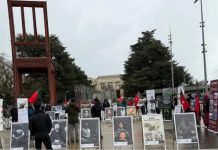
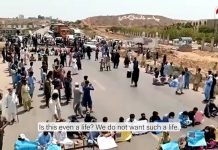
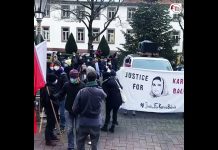


The Baloch National Movement (BNM) has said it held a protest demonstration on Saturday outside 10 Downing Street in London to draw international attention to what it described as a worsening human rights situation in Balochistan, particularly the alleged enforced disappearances of Baloch women, children and girls by the Pakistani military.
In a statement issued to the media, the BNM said protesters gathered near the residence of the British prime minister and raised slogans calling for justice, accountability and international intervention. According to the organisation, recent developments in Balochistan reflect what it termed a “new moral low” in the ongoing conflict in the region.
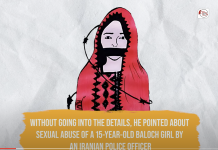
Demonstrators said that enforced disappearances and the practice of collective punishment continue unabated in Balochistan. During the protest, speakers demanded the immediate recovery of Mahjabeen Baloch, Nasreena Baloch, Farzana Baloch, Hani Baloch and Hair Nisa Baloch, whom the BNM claims were taken into custody by Pakistani forces from different parts of Balochistan and subsequently forcibly disappeared. The speakers described these actions as among the harshest tactics employed by the state to suppress the Baloch freedom movement.
The protest also highlighted concerns over what the BNM described as the unlawful arrests of the leadership of the Baloch Yakjehti Committee (BYC). Speakers said peaceful human rights activists had been booked in false cases, placed in illegal detention and later transferred to prisons. They alleged that state institutions were misusing power to keep these activists incarcerated by involving them in what they termed baseless cases, even after courts had granted them bail.
According to the BNM, BYC leaders including Dr. Mahrang Baloch, Beebow Baloch, Gulzadi Baloch, Beebarg Baloch, and Sibghatullah Baloch have been leading a public movement against enforced disappearances in Balochistan. The organisation claimed that instead of addressing their concerns, the state arrested them on false charges. The statement further alleged that during their detention, a coordinated media trial was being conducted against them on social media with state backing, alongside what it described as obscene and unethical campaigns targeting Baloch women.
BNM leaders said all these individuals were being held in illegal custody.
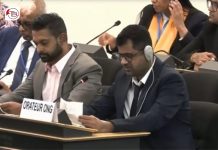
The protest was addressed by central leaders of the BNM, office-bearers of its UK chapter and other activists. Speakers urged international human rights organisations, including Amnesty International, to increase pressure on Pakistan and to investigate what they described as serious human rights violations in Balochistan.
During the demonstration, speakers also questioned Pakistan’s claim over Balochistan and criticised the role of Pakistan’s parliament, asserting that it does not represent the Baloch people. They alleged that parliamentary power was dominated by Punjab and described Balochistan as an occupied territory under what they termed a “colonial-style control by the Punjabi military.” The BNM further claimed that the government in Balochistan was a puppet administration with no public credibility or authority, arguing that there was no hope of ending alleged abuses against the Baloch people within Pakistan’s existing political system.
The Baloch National Movement called on the British government to abandon what it described as “diplomatic silence” and to take practical steps against Pakistan. The organisation demanded the immediate and safe recovery of all forcibly disappeared persons, the imposition of international sanctions over what it termed state violence in Balochistan, and international recognition of what it described as systematic war crimes against the Baloch people.