













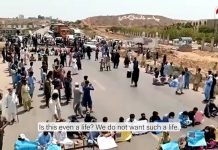





Quetta, the capital of Balochistan, is regarded as the centre of medical, educational, political and economic activity in the province. Yet despite this status, the city continues to be deprived of basic civic facilities. Since the Pakistan Peoples Party assumed power, Quetta has witnessed unannounced internet shutdowns almost every month, paralysing everyday life. Under the pretext of enforcing Section 144, strict checkpoints on major roads have become routine, where the humiliation of ordinary citizens has turned into a daily occurrence. Night-time raids on homes and the enforced disappearance of young men in several neighbourhoods have effectively created a curfew-like situation across the city.
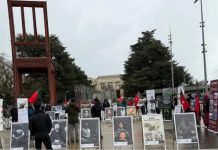
Incidents of enforced disappearances in Quetta have risen sharply, while political leaders who speak out against these practices have been imprisoned, effectively placing a ban on resistance politics. Through these measures, an atmosphere of fear and uncertainty has been deliberately cultivated. The government defends such policies by framing them as necessities of counter-insurgency, yet the realities on the ground appear to contradict this narrative.
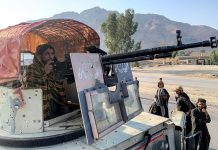
The government and Pakistan’s security institutions justify these actions in Quetta by citing a grave security situation. However, in November, major arteries of the city were blocked with barricades, while transport services and internet connectivity were completely suspended. Despite these measures, there has been no discernible decline in attacks on the Pakistan military. Armed groups have continued to set up blockades on key highways across Balochistan, and a deadly attack was carried out on a Pakistan Army brigade headquarters in Nokundi.
To conceal their failures, state institutions are imposing a curfew-like environment in Quetta, creating further hardships for the public. Following widespread public backlash against internet restrictions across Quetta and the rest of Balochistan, the government has adopted a new tactic by reducing internet speeds to such an extent that the service has become virtually unusable. Rather than improving the prevailing conditions, these policies are only set to deepen the difficulties faced by the people of Quetta.