




























The Balochistan National Party (BNP-Mengal) on Thursday accused the Sarfraz Bugti administration of ruling through “fear, intimidation and deception,” warning that the approach was fuelling public resentment in Balochistan and urging the government to abandon coercive measures and adopt dialogue.
In a statement, the party’s central spokesperson said the current administration, which he called a “government formed under Form-47” made up of “non-political individuals”, was attempting to divert public attention from electricity and gas shortages, internet shutdowns and widespread road closures in order to “keep the market of corruption alive.”
The spokesperson said the government’s claims of public-private partnerships, reforms and new priorities were “a smokescreen” to protect political interests during a short and highly competitive power-sharing arrangement.
He said policies based on “fear, intimidation and deception” had alienated Baloch youth. Even allies inside the ruling coalition were now publicly criticising the administration, he added, arguing it showed the government had “deceived the people.”
The statement said officials who claimed they would send Baloch students to Oxford University had instead shut down the internet across Balochistan, depriving young people of access to education and social media.
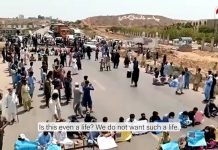
Despite earlier assurances that highways would not be closed under Section 144, the spokesperson said travel restrictions had been imposed across Balochistan’s major routes while the Red Zone in Quetta remained sealed for the government’s own security. Measures taken in the name of border control and anti-smuggling operations had paralysed trade and left “hundreds of thousands unemployed,” he said.
The BNP Mengal spokesperson said the government’s decision to run affairs “through force instead of dialogue” had intensified a sense of deprivation in the region. “One day, this self-serving group will lose power,” he said, “but the injustices committed today will not be resolved for decades.”
He concluded that the state should adopt dialogue and negotiation instead of “pushing Balochistan to the point of no return,” saying that Baloch resistance movements “have never been crushed by force” and that the people should be given “the right to live” rather than subjected to policies reminiscent of “British colonial rule.”