







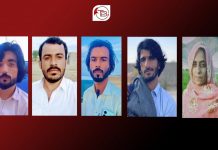




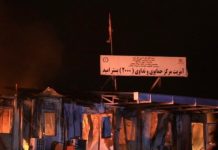








Justice Athar Minallah of the Supreme Court of Pakistan has described extrajudicial killings as a grave violation of the Constitution and fundamental human rights while dismissing an appeal against the death sentence of Frontier Corps soldier Shadiullah, who murdered Hayat Baloch in Turbat before his parents. However, by a majority decision of two to one, a three-member bench of the Supreme Court commuted the convict’s death sentence to life imprisonment.
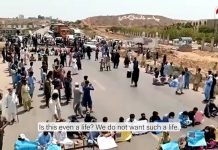
Hayat Baloch, a student of Karachi University, was brutally killed on 13 August 2020 in the Absar area of Turbat, when the FC soldier Shadiullah shot him eight times in front of his parents. The brutal killing provoked widespread public outrage in Balochistan, sparking a wave of resistance against state repression — a sentiment that continues to this day in various forms. Yet despite public protest and occasional judicial interventions, the cycle of extrajudicial killings of political activists and the disappeared has not ceased in Balochistan.
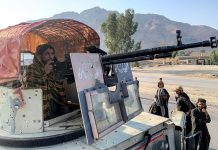
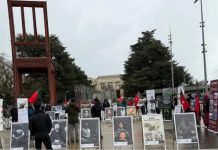
Five years have passed since Hayat Baloch’s murder, but in that time hundreds of young Baloch men have been killed in what authorities describe as “encounters.” The practice of abducting and killing Baloch youth, then dumping their bodies in desolate areas, remains ongoing. Voices rising against such acts of state violence continue to be silenced through intimidation and force, even as the same regions are showcased in official rhetoric as symbols of “peace and development.”
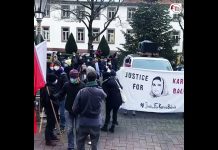
In Balochistan, court rulings rarely translate into justice on the ground. The powerful institutions have long imposed their will upon the Baloch people through the force of arms, effectively murdering justice itself. There appears to be little hope for meaningful change in the near future. Yet, despite the absence of judicial justice, voices calling for Hayat Baloch and countless others will continue to rise from Balochistan.