
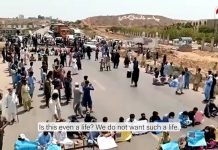
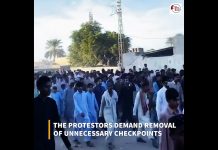


A shutter-down and wheel-jam strike was observed across Balochistan on the call of the All Parties coalition, with major cities and highways brought to a standstill from Zhob to Gwadar. Reports from Quetta and other districts indicate that police and levies forces carried out widespread arrests of political leaders and activists belonging to multiple parties.
In Quetta, over 100 demonstrators were reportedly detained from areas including Sariab, Airport Road, Brewery, Bypass, and the city centre. Those taken into custody include senior leaders of the Pashtunkhwa Milli Awami Party (PkMAP), the Balochistan National Party (BNP), Pakistan Tehreek-e-Insaf (PTI), Awami National Party (ANP), National Party (NP), and Jamaat-e-Islami (JI). Among them were Abdul Rahim Ziaratwal and Qahar Khan Wadan of PkMAP, Malik Naseer Shahwani and Tahir Shahwani of BNP, PTI’s Syed Agha, and several other provincial leaders.
Similar arrests were reported from other districts: in Surab, BNP’s district president Abdul Latif and three workers were held; in Mastung, BNP district president Haji Anwar Mengal and NP’s district president Mir Sikandar Mullazai were among 14 detained; in Loralai, seven ANP and PkMAP activists were taken into custody; Jafarabad saw eight arrests; in Nasirabad, BNP’s Murad Baloch and divisional president Adam Rind were among nine detained; in Duki, PTI’s district general secretary Majeed Nasir and 15 others were arrested; while in Ziarat (Sanjawi), Qalat, and Chaman, dozens of additional workers from different parties were reported taken into custody.
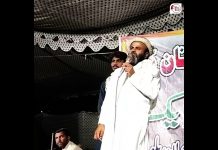
ANP’s provincial president Asghar Khan Achakzai accused the government of sabotaging what he described as a peaceful protest, alleging that police used force and detained hundreds, including prominent party leaders. He further claimed that police resorted to repeated shelling near PkMAP’s office in Quetta. According to him, the strike was “the most successful in the province’s history,” shutting down cities and highways across Balochistan, and serving as a “referendum” against what he termed an imposed government.
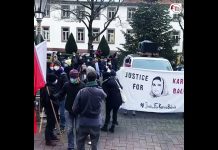
The Baloch Yakjehti Committee (BYC) also issued a statement strongly condemning the crackdown, calling it “an assault on democracy and human rights.” The group criticised what it described as the state’s failure to protect citizens from terrorism, contrasting this with the use of force against peaceful protesters. “It raises the question of whether the people of this region are to suffer both at the hands of terrorists and state repression,” the statement said.
The BYC added that political activists across Balochistan have faced repeated crackdowns in recent months, and warned that suppressing public movements would only deepen the province’s crises. The committee urged all political parties and citizens to maintain unity and resist what it characterised as authoritarian policies.
Authorities have not yet issued an official response regarding the mass arrests or the allegations of excessive force.