




















By Saeed Buzdar
The current phase of the Baloch insurgency carries striking similarities with the post-2006 wave, when thousands of young Baloch men joined armed groups. While activity slowed between 2013 and 2017, many attributed that decline to Pakistan’s heavy-handed tactics—collective punishment, burning homes, and abducting relatives of suspected fighters. Yet insiders argue the real reason was not state repression but internal disputes, leadership struggles, and factional rifts within the groups themselves.
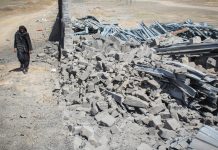
That chapter is now over. Since 2018, recruitment has surged again, but this time the dynamics are different. The armed groups are more coordinated, their internal conflicts largely settled, and their leadership more adaptive. Unlike the previous generation of fighters—many of whom underestimated the state’s brutal retaliation—today’s recruits know exactly what to expect. They have witnessed houses torched, families torn apart, and even decapitations of captured fighters, such as during the Shor-Parod operation. Despite this awareness, they continue to join in growing numbers, which makes this wave harder to contain.
A major shift is in the profile of the recruits. Many are university students or graduates, skilled, educated, and politically conscious. The movement is no longer dominated by rural youth with limited exposure; it now draws from the educated middle class, bringing with it new discipline, organizational methods, and communication strategies.
Equally significant is the role of women. While women first entered combat through the Baloch Republican Army (BRA) in 2011, their direct involvement was limited for years, shifting instead to peaceful protest. That changed in 2022 when Shari Baloch, a mother and schoolteacher, carried out a suicide attack in Karachi. Two more educated women followed her path, signaling a new phase where women are not only symbols of defiance but active fighters. The BLA’s Majeed Brigade has since showcased female volunteers in its media releases, emphasizing that women are integral to the struggle.
The organizational landscape has also evolved. Leadership has shifted from traditional tribal structures to modern collective ones. The formation of BRAS, an umbrella group, reflects this change. BRAS has even issued statements offering amnesty to those who once cooperated with Pakistan, showing a shift toward reconciliation within Baloch society itself.
Another important factor is generational. Many of today’s fighters grew up under the shadow of war, witnessing explosions, raids, and dead bodies throughout their lives. For them, resistance is not an abstract cause but a lived reality. According to sources within the BLA, the Majeed Brigade already holds a surplus of volunteers, many of whom have been waiting for years for their turn in operations.
Pakistan’s counterinsurgency approach, however, has remained static. The state continues to rely on brute force—mass operations, extrajudicial killings, and collective punishment. Far from suppressing the rebellion, this only fuels it further. Every destroyed home, every abducted relative, and every mutilated body adds new recruits to the ranks of the insurgents.
Despite these shifts, Pakistan’s counterinsurgency strategy remains largely unchanged. The state continues to rely on brute force, collective punishment, and extrajudicial tactics, mirroring its response since the insurgency began. This approach may suppress activity temporarily, but it has consistently fueled cycles of renewed rebellion. Each use of force adds to grievances, creating fresh recruits rather than eliminating the insurgency.
Analysts argue that a purely military solution is unsustainable. If the cycle is to be broken, negotiations must eventually take place. However, Pakistan has historically rejected dialogue, relying instead on military dominance. For meaningful talks, external mediation may be necessary, as Islamabad shows little willingness to move beyond the “language of weapons.” Without it, the cycle of bloodshed in Balochistan will not just continue—it will intensify.
Disclaimer: The views and opinions expressed in this article are those of the author and do not necessarily reflect the official policy or position of The Balochistan Post or any of its editors.