
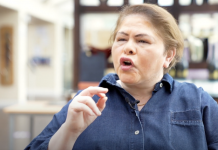



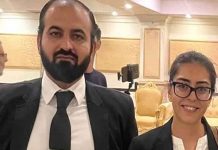


Zunaira Baloch, a 15-year-old youth advocate from Balochistan, attended the UNICEF Youth Advocates Mobilization Lab 2025, taking place alongside the United Nations General Assembly (UNGA) in New York.
The UNICEF said it selected only 12 young leaders from across the globe for this year’s lab, which focuses on equipping participants with advocacy skills, amplifying their stories, and creating opportunities to exchange ideas for a better future. Zunaira Baloch is participating as part of her ongoing work on climate action and youth engagement in Balochistan.
UNICEF said Zunaira’s “voice shows why young leaders must be at the centre of shaping solutions.”
“To me, climate action means fighting for your own rights, fighting for your future and even your present that is being destroyed by climate change and climate-related disaster”, the UNICEF quoted the young climate advocate saying.
Zunaira’s journey to the UN is particularly striking given her personal history. Her father, Abdul Qayyum Zehri, was forcibly disappeared from Hub Chowki in November 2020, allegedly at the hands of Frontier Corps personnel. Two years later, in June 2023, the family was informed that Abdul Qayyum had been killed in what they allege was a staged encounter, and his body was buried in an unmarked grave at Quetta’s Dasht Thera Meel graveyard, a site known for holding over 200 unidentified corpses, many believed to be victims of enforced disappearances.
According to the official communications between the Counter-Terrorist Department and the Office of the Deputy Commisisoner of Khuzdar, Abdul Qayyum Zehri was killed alongisde three others in an “encounter”, and that their dead bodies were laid to rest after they were left “unclaimed” by their families.
Killed alongside Abdul Qayuum was another man from Zehri, Nasir Jan Qambrani, whose family had also endured his enforced disappearance before receiving confirmation of his death. Nasir had been previously “abducted” and tortured before being released. Both families were informed simultaneously of the killings and the anonymous burials.
Rights groups say such cases exemplify a long-standing pattern of enforced disappearances and extrajudicial killings in Balochistan, fueling public anger and intensifying “pro-independence” sentiment in Balochistan.