








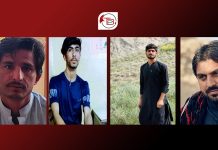


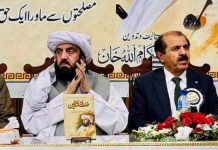




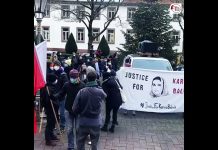
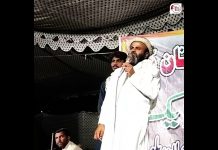



Five senior political leaders, including Jamiat Ulema-e-Islam-Fazl (JUI-F) Balochistan chief Senator Maulana Abdul Wasey and opposition leader in the Balochistan Assembly Mir Younis Aziz Zehri, have reportedly been placed under house arrest in Quetta under the Maintenance of Public Order (MPO) Ordinance. The detentions come amid a wider crackdown on the party’s leadership and workers following protests against restrictions on its political activities in Punjab.
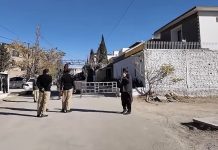
According to reports, the Balochistan Home Department issued detention orders on Thursday night against Maulana Abdul Wasey, Mir Younis Aziz Zehri, Public Accounts Committee Chairman Asghar Ali Tareen, and members of the Balochistan Assembly Fazal Qadir Mandokhail and Syed Zafar Agha. All five were confined to Wasey’s residence in the Survey 144 area of Sariab Road, Quetta. On Friday, the superintendent of Quetta District Jail declared the residence a sub-jail and deployed prison staff, while a heavy police presence was reported outside the premises and unauthorised visitors were barred from entering.
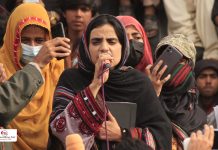
JUI-F Balochistan spokesperson Haji Dilawar Khan Kakar told Independent Urdu that dozens of political leaders and party workers had also been arrested in Quetta, Kalat, Chaman, Surab, Dera Bugti, Hub and other districts. Quetta Deputy Commissioner Mehrullah Badini referred enquiries to the police, while Quetta Deputy Inspector General of Police Shaukat Imran said the matter fell within the jurisdiction of the Home Department. No detailed official statement explaining the grounds or duration of the detentions has been issued so far.
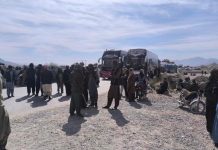
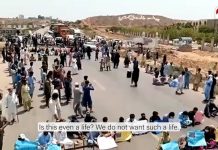
The crackdown followed widespread demonstrations across Balochistan on Thursday after JUI-F central chief Maulana Fazlur Rehman called for nationwide protests against restrictions on his political activities in Punjab. According to reports, protesters blocked several major highways, including those connecting Quetta with Karachi, Chaman, Taftan, Jacobabad, Zhob and Loralai. The roadblocks continued until late Thursday night, disrupting passenger and commercial traffic across the region.
Protests resumed on Friday following allegations that Fazlur Rehman himself had been detained in Lahore after being prevented from travelling to Sargodha, where the party had planned to hold a conference on the protection of Pakistan’s Constitution. The Sargodha administration had imposed Section 144 and barred Fazlur Rehman and eight other religious figures from entering the district for 30 days. Lahore police, however, denied claims that the JUI-F chief had been arrested or placed under house arrest.
Earlier, several senior JUI-F leaders, including National Assembly member and central secretary general Maulana Abdul Ghafoor Haideri, had been detained in Sargodha over alleged violations of Section 144, Dawn reported on Thursday.
Meanwhile, lawyers across Balochistan boycotted court proceedings on Friday following a call by the Balochistan Bar Council in protest against the arrests of political leaders and workers. According to reports, the council condemned the crackdown, demanded the immediate release of those detained and called on the authorities to respect citizens’ constitutional and legal rights.
The developments come amid growing political tensions between the JUI-F and Pakistan’s federal government. While the party has accused the authorities of political victimisation and restricting its constitutional right to peaceful assembly, government representatives have rejected these allegations and urged the party’s leadership to resolve its differences through political dialogue.
The total number of political workers detained across Balochistan and the duration of the detention orders against the five senior political figures remain unconfirmed.