











Four men have reportedly been forcibly disappeared in Balochistan’s Gwadar and Kharan districts, while in Turbat the family of a missing youth blocked the CPEC highway to demand his recovery.
Residents of the Robar area in Jiwani said Pakistani forces have carried out repeated night-time raids since early January. They said troops enter homes, beat residents and seize valuables, forcing several families to flee the area.
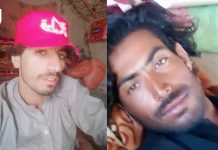
According to residents, two brothers, Asif Essa and Piri Essa, were taken into custody during a raid on 6 January and moved to an undisclosed location. They said a third resident, 33-year-old Shah Bakhsh, was detained the following day from the same locality. None of the three men have been presented before the public or a court, the residents said.
In Balochistan’s Kharan district, a teacher identified as Ismail Malik, son of Malik Muhammad, was allegedly taken into custody along with his vehicle and transferred to an undisclosed location.
Family members said he belongs to Buleda Zamuran and works as a schoolteacher after graduating in Social Work from the University of Sargodha. They said they were “deeply concerned” for his safety and demanded his immediate recovery.
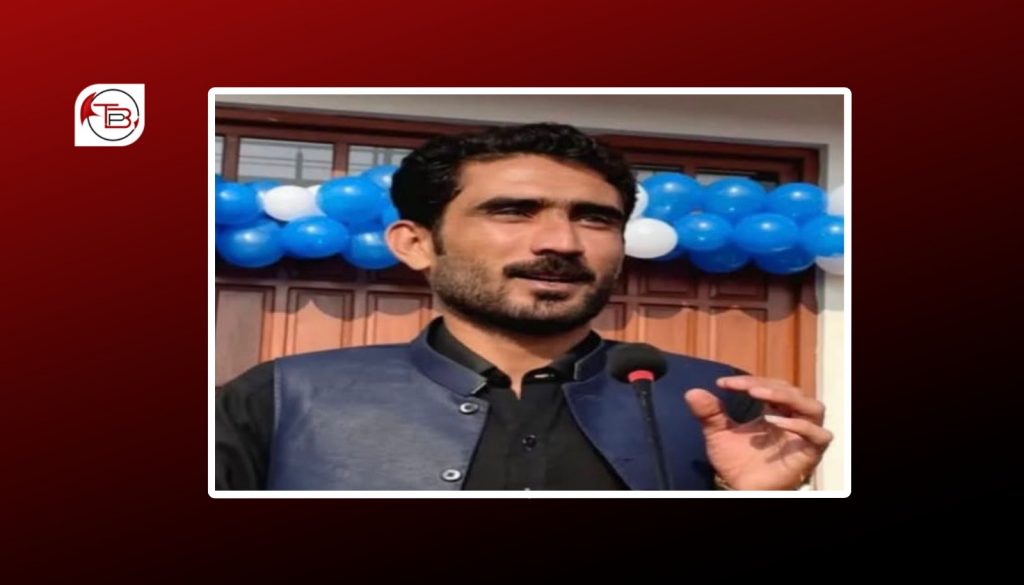
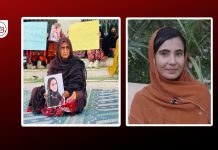
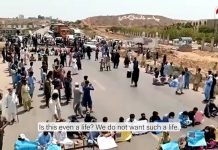
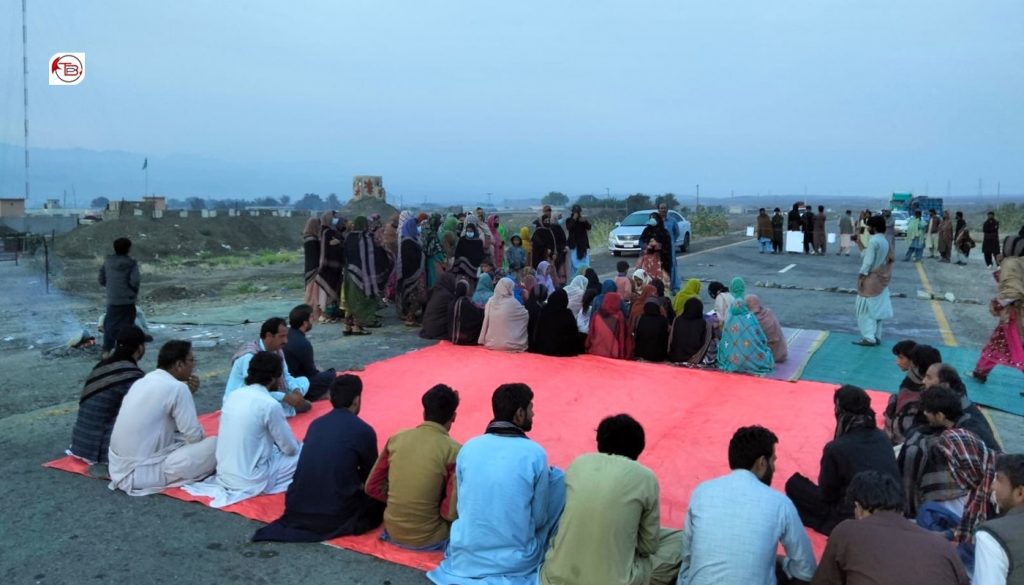
Meanwhile, in Turbat’s Tejaban–Karki area, the family of Rehmdil, son of Muhammad Bakhsh, blocked the M-8 CPEC highway after he was reportedly forcibly disappeared by Pakistani forces earlier this month. Traffic remained suspended for several hours as the family staged a sit-in on the road.
The family said they had previously ended a protest on 20 January after authorities assured them Rehmdil would be produced before presented before the public or a court. With no information provided since, they resumed their demonstration and said it would continue until he is released.
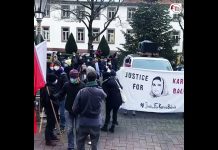
Incidents of enforced disappearance continue to be reported from across Balochistan, with rights groups and local advocacy organisations alleging that civilians, students, activists and professionals are routinely detained during raids and moved to undisclosed locations without warrants or official notification.
While some detainees return after months or years, many remain missing or are later found dead, contributing to what rights groups describe as a deepening human rights crisis in the region.
In its annual report released earlier this month, the Baloch Yakjehti Committee (BYC) said Balochistan had effectively been turned into a “vast prison” and an “even larger death cell.”
The group documented 1,223 enforced disappearances in 2025, of which 348 people were released while 832 remain missing, including 75 minors and 18 women.
The BYC also reported 188 extrajudicial killings during the year, including 75 people it said were killed under what it described as the state’s long-standing “kill and dump” policy.