
























More than 800 people have been killed and around 2,500 injured after a 6.0-magnitude earthquake struck eastern Afghanistan late on Sunday, according to Taliban officials.
The quake was centred near the city of Jalalabad and caused widespread destruction in the provinces of Kunar, Nangarhar and Laghman. Villages were razed and thousands left homeless, local authorities said.
The UN’s humanitarian agency Ocha confirmed that preliminary reports indicated at least 800 deaths across four provinces, with about 2,000 people injured. Many of the casualties are in remote and mountainous areas, making it difficult for rescue teams to reach them.
At least 12,000 people are believed to be directly affected by the quake, including through damage to homes and infrastructure, Ocha added.
Taliban spokesperson Zabihullah Mujahid acknowledged the scale of the disaster. “Sadly, tonight’s earthquake has caused loss of life and property damage in some of our eastern provinces,” he said.
He added that a special committee had been formed by the prime minister’s office to oversee relief efforts, with a dedicated fund established for victims and more money to be made available if needed. Mujahid said measures were being taken to evacuate victims and deliver food and other essential supplies.
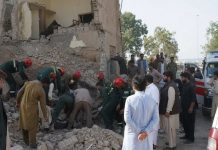
Mountainous terrain, landslides and blocked roads have severely impeded relief operations. Rescue teams — including civil volunteers and Taliban personnel — have used helicopters to airlift the wounded to hospitals, particularly via Jalalabad Airport. Survivors continue to dig through rubble by hand, while many villages remain inaccessible.
Local authorities said security, health, transport and food services had been deployed to assist affected communities. The Interior Ministry issued directives to provide immediate support.
Facing limited resources, the Taliban government has appealed for international humanitarian aid. The UN, the Afghan Red Crescent and other agencies are ramping up their response. The International Rescue Committee (IRC) confirmed it had deployed mobile health teams to Nangarhar and Laghman. Its Afghanistan director warned that the needs “may far exceed those seen during the Herat quakes of 2023,” calling on the global community to act urgently.
The United Nations Assistance Mission in Afghanistan (Unama), as well as the governments of Japan, India and several other countries, expressed condolences and offered support.