










The Baloch Yakjehti Committee (BYC) has said Balochistan has effectively been transformed into a “vast prison” and an “even larger death cell” as it released its annual report documenting more than 1,200 enforced disappearances and nearly 200 extrajudicial killings in 2025.
Speaking at a press conference, BYC representatives said the findings reflected only the “tip of the iceberg,” but were sufficient to illustrate what they described as a rapidly worsening human rights situation in Balochistan.
According to the report, 1,223 cases of enforced disappearance were documented in 2025. Of these, 348 people were released, while 832 remain missing. The missing include 75 minors and 18 women. Kech district recorded the highest number, with 339 cases.
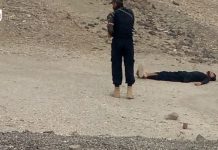
The BYC said 188 extrajudicial killings were reported during the year. Seventy-five people were killed under what it described as the state’s long-standing “kill and dump” policy, with the Makran Division and Awaran district identified as the most affected areas.
The report said large-scale military operations were carried out daily across Balochistan throughout 2025, causing harm to civilians, including women and children. It also cited the killing of 20 civilians in aerial strikes in the Zehri area of Khuzdar.
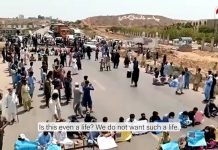
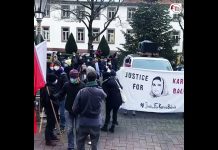
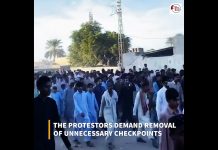
The BYC said more than 122 peaceful protests were held during the year against enforced disappearances. At least 39 were dispersed by force, while more than 400 demonstrators were arrested and dozens injured.
It alleged that the legal system in Balochistan was being “used as a weapon” against human rights defenders, political activists and civil society, citing the use of anti-terrorism laws, the 3-MPO and Section 144 to suppress peaceful voices.
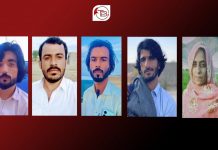
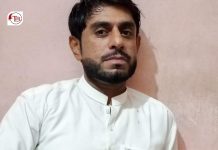
The group said five of its leaders, including central organizer Dr Mahrang Baloch, were currently in prison, while other activists continued to face harassment.
At the end of the press conference, BYC representatives called on the media to report on the human rights situation in Balochistan “responsibly” and to act as a voice for the oppressed population.