








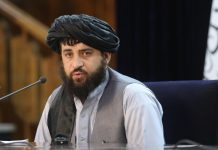


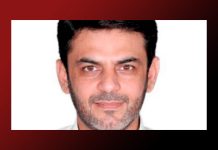



Balochistan National Party (Awami) leader and Assembly member Asadullah Baloch said on Monday that government claims of improved peace and stability in Balochistan were “baseless,” adding that the region had “no security, no order and no government writ.”
Speaking to reporters after a session of the Assembly in Quetta, he said official statements about law and order existed only “in the media and not on the ground.”
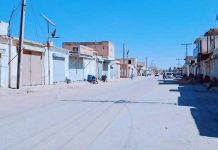
He said that if peace truly existed, “then why are bodies being found everywhere?” adding that bomb blasts and targeted killings had become routine.
“Assembly is the only platform where we raise public issues,” he said. “Right now there is no peace, no security and no government writ in Balochistan. Worry is visible on every face, which clearly shows that there is nothing here except explosions and killings.”
Asadullah Baloch said he had missed a few sessions because he had travelled for Umrah but had “never ignored the Assembly,” insisting that his party was the only group consistently raising people’s concerns on the Assembly floor.
He said the government must take the deteriorating situation seriously and take practical steps if it wants people to believe its claims. “If officials want to speak about law and order, they should show results on the ground,” he said.
He added that recent statements by ministers and officials about improved security were contradicted by the near-daily recovery of bodies and escalating armed activity in various areas of Balochistan.
On Sunday, Senator Maulana Abdul Wasay, the head of Jamiat Ulema-e-Islam in Balochistan, also criticised the government’s performance, saying the growing unrest was the result of “failed policies and anti-public measures.”
He said border closures had paralysed trade and production, causing heavy losses for traders, while communication shutdowns had deprived thousands of students of online classes and research material. He said the government’s refusal to acknowledge ground realities was “laying the foundation for a major crisis” and urged authorities to adopt a clear and practical strategy.
In recent months, several lawmakers and political leaders from Balochistan have issued similar warnings, saying official statements about improved security do not match conditions on the ground.
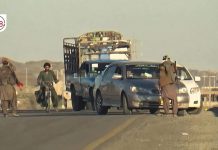
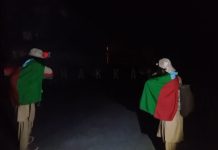
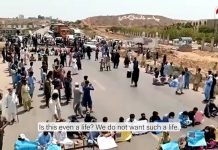
On Friday, Leader of the Opposition Mir Younus Aziz Zehri said major highways remained blocked for hours as armed groups expanded their presence. Speaking to reporters outside the Assembly in Quetta, he said government ministers were “downplaying reality” by suggesting fighters appear on roads only to make TikTok videos. “I say with certainty that the roads remain blocked for hours. They stop people and interrogate them. This has gone far beyond TikTok,” he said.
Earlier this year, MPA Zafarullah Zehri warned during an Assembly session that the region’s highways were now “effectively under the control of armed groups,” adding that “the government’s writ does not extend beyond its own offices.”
In October, Senator Kamran Murtaza told lawmakers that the government’s authority had “shrunk to just five kilometres” in Quetta. He said armed groups had established checkpoints near the city and were stopping vehicles “at their own choosing.”
Former Chief Minister Jan Muhammad Jamali voiced similar concerns in September during the Balochistan Awami Party’s internal election. “Because of fear, I cannot pass through Bolan,” he said. “Even Sadiq Sanjrani cannot cross Nushki. The situation in Kalat and other areas is alarming.”