







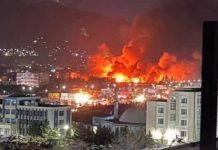



Zehri, a town located 120 kilometers from Khuzdar city in Balochistan, remains under a sweeping military siege by Pakistani forces, with reports of widespread destruction, restricted movement, and escalating civilian suffering.
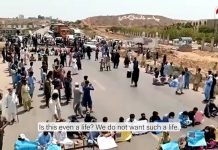
According to local sources, the ongoing operation in Zehri and surrounding areas has led to an atmosphere of extreme tension. Residents report that houses have been destroyed, agricultural crops set ablaze, and water and solar energy sources deliberately damaged, placing local communities at grave risk. A strict curfew has been imposed, all routes have been sealed, and access to food and medicine has been blocked, leaving residents cut off from hospitals and basic healthcare.
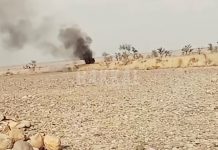
Witnesses say that communications and transport remain paralyzed, while raids on homes have reportedly resulted in women, children, and the elderly being subjected to violence. Continuous shelling and mortar fire have been reported in areas including Kochav and Chashma, damaging homes and farmlands and inflicting heavy financial losses on farmers.
Zehri is largely an agrarian town with very few government offices or formal employment opportunities, leaving most residents dependent on their land for survival. Families earn their livelihoods by cultivating crops such as cotton, wheat, and onions, along with fruits like apples and plums. At present, farmers are in the midst of harvesting cotton, which is typically transported to major markets in cities like Karachi. However, ongoing mortar shelling has devastated fully ripened cotton fields, wiping out months of hard work and leaving growers facing severe financial ruin.
In Kochav, cotton fields have been destroyed by artillery fire, while mortar shells landing in Chashma and nearby villages have spread fear among the population. Damage has also been reported to homes in Dhandar and Morinki. However, due to an enforced media and internet blackout, independent verification of casualties and the damage remains impossible.
According to local reports, a drone strike on Wednesday killed four people in Zehri’s Norgama area as they sat near their fields. The victims’ identities remain unconfirmed due to the ongoing internet blackout.
Military and security sources claim that the operation in Zehri is targeting the Baloch Liberation Army (BLA), with both aerial and ground strikes, and that several armed fighters have been killed. The BLA has not yet commented on these claims.
The offensive follows an earlier incident on September 18, when a Pakistani drone strike near Tarasani in Zehri killed three people – including two women – and injured five others, among them a child. Previous aerial bombardments in the region have also drawn accusations of civilian deaths. Local residents argue that the internet and media blackout is evidence that the military intends to conceal the scale of its operations from international scrutiny.
BYC Condemns Civilian Targeting
The Baloch Yakjehti Committee (BYC) issued a strong statement on the situation, accusing Pakistani forces of targeting civilians during the two-week-long offensive in Zehri. The group’s central spokesperson alleged that aerial bombardments and shelling had killed non-combatants, including two elderly women, while numerous families have been displaced and are living in fear.
The statement further claimed that houses, crops, water sources, and solar systems have been systematically destroyed, endangering the survival of the local population. “The entire area has been placed under siege, all routes sealed, and the supply of food, water, and medicines blocked. Hospitals are without doctors or basic treatment facilities, and both internet and communications networks remain suspended,” the spokesperson said.
The BYC added that a curfew was imposed on Wednesday night and that during raids on homes, women, children, and the elderly were subjected to “severe violence.” It described these acts as systematic violations of human rights and “war crimes,” not isolated incidents.
The spokesperson emphasized that a complete media blackout has been enforced and relief efforts have been obstructed to “hide the facts.” Targeting civilians, destroying infrastructure, and blocking humanitarian aid, the BYC said, amount to “clear violations of international humanitarian and human rights law.”
Calls for Urgent International Intervention
The statement demanded that electricity, food, medical facilities, and communications in Zehri be immediately restored, and that attacks on civilians and their property be halted. The BYC further called for independent media, human rights representatives, and aid organizations to be granted unrestricted access to the area. It also urged transparent investigations into alleged war crimes, with those responsible held accountable.
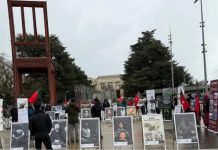
Concluding its statement, the BYC described Zehri as facing a “humanitarian emergency” and appealed to the United Nations, international human rights organizations, and global relief agencies to intervene without delay to protect civilian lives and ensure accountability.