



















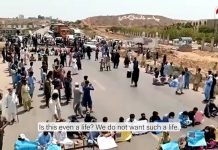





Transport services between Makran and Karachi have remained suspended for the sixth consecutive day as transporters continue their strike against alleged mistreatment of passengers and drivers at military checkposts along the Coastal Highway. The shutdown has left thousands of travellers stranded in various towns across Balochistan and Karachi.
According to reports, the Sindh-Balochistan Coaches Owners Association launched the protest after what they described as repeated incidents of harassment and lengthy detentions of passengers by security personnel. The association says transport operations will remain halted until authorities address their grievances.
Seth Iqbal Shahzai, head of the association, stated that restrictions on night travel imposed by security authorities have forced all buses to depart at the same time in the morning. As a result, passengers face long queues and delays of up to four to five hours at each checkpost. He said the situation has caused severe inconvenience for both travellers and transporters.
The transporters have demanded that the night travel ban be lifted, security checks be streamlined, and what they call “unnecessary checkposts,” including the one at Hingol, be removed between Makran and Karachi’s Yousuf Goth bus terminal.
In their statement, the association called on the Prime Minister, the Balochistan Corps Commander, the Chief Minister, and all relevant district commissioners to address the issue immediately, warning that the protest could intensify if their demands are not met.
Meanwhile, thousands of passengers from Turbat, Gwadar and other parts of Makran remain stranded, with many unable to travel for medical treatment, business, or personal reasons. Transport disruption has also affected goods delivery, with traders reporting financial losses due to delays.
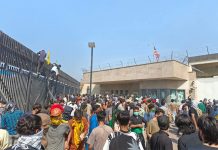
At Karachi’s Yousuf Goth bus terminal, hundreds of travellers have been waiting for days in hopes that services will resume. Several passengers criticised what they described as government inaction, urging officials to hold talks with transporters to resolve the issue and ease the suffering of the public.