













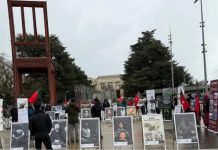






Dr Sabiha Baloch, a central leader of the Baloch Yakjehti Committee (BYC), on Sunday strongly protested the reported offer by Pakistan’s army chief to the United States to establish a military base in Balochistan’s Pasni, calling it a decision made “without the knowledge or consent of the Baloch people.”
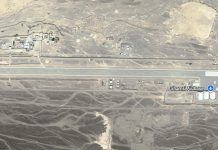
According to a report published by the Financial Times on Friday, advisers to Pakistan’s Army Chief General Asim Munir have approached U.S. officials with a proposal for American investors to build and operate a port terminal in the coastal town of Pasni.
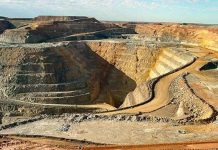
The report said that while the blueprint excludes the establishment of a formal U.S. military base, the plan seeks to give Washington access to Pakistan’s critical minerals through the Arabian Sea port and aims to attract development finance for a rail network linking the port with mineral-rich inland regions.
Reacting to the report, Dr Sabiha Baloch said in a statement on X (formerly Twitter), “We strongly protest the Pakistan army chief’s reported offer to the United States to build a base in Pasni, made without our knowledge or consent. We are the rightful owners of this land, and no decision about it can be made without our full participation and approval.”
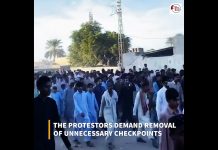
She said that while the people of Balochistan support development and trade, every new project had only “brought more restrictions, military checkpoints, and security zones.”
Dr Baloch said that for decades the people of Pasni and the wider Makran coast had lived “under military pressure and insecurity,” watching their land and sea “handed over to foreign powers in the name of development.”
She added that each new deal, whether with China or now the United States, came “without consultation, consent, or justice.”
She said the Baloch people were “not opposed to development but to being erased from it,” describing the coast as “not a bargaining chip in a geopolitical game, but part of our home, history, and identity.”
Dr Sabiha warned that granting access to another foreign power without the consent of the Baloch would “deepen repression” and “further expand militarization.”
“In Balochistan, ports and projects bring more military checkpoints than opportunities. They bring more surveillance than a sense of security or a better life. When a port is built, a prison also rises. Our disappeared ones are kept, tortured, and dumped there,” she said.
She appealed to the U.S. Embassy in Islamabad and the U.S. Consulate in Karachi to ensure transparency and public consultation if any agreement is being discussed with Pakistani military officials.
“There must be transparency. There must be consultation. There must be genuine participation of the local population,” she said.