







Incidents of enforced disappearance and the recovery of dead bodies have been reported from various parts of Balochistan over the past week, according to local sources and media reports.
On Wednesday, in Kech district’s Zondan Camp area, unidentified armed men abducted a young man identified as Nadeem, son of Saleem, a resident of Gali Buleda. Witnesses said the abductors, riding motorcycles and travelling in a vehicle, stopped Nadeem, forced him into their vehicle, and drove him to an undisclosed location. Although they were in civilian clothing, they reportedly carried sophisticated weapons. They behaved in a manner consistent with so-called “death squads” – armed groups alleged by activists to operate with the tacit support of state authorities to target political activists and human rights defenders.
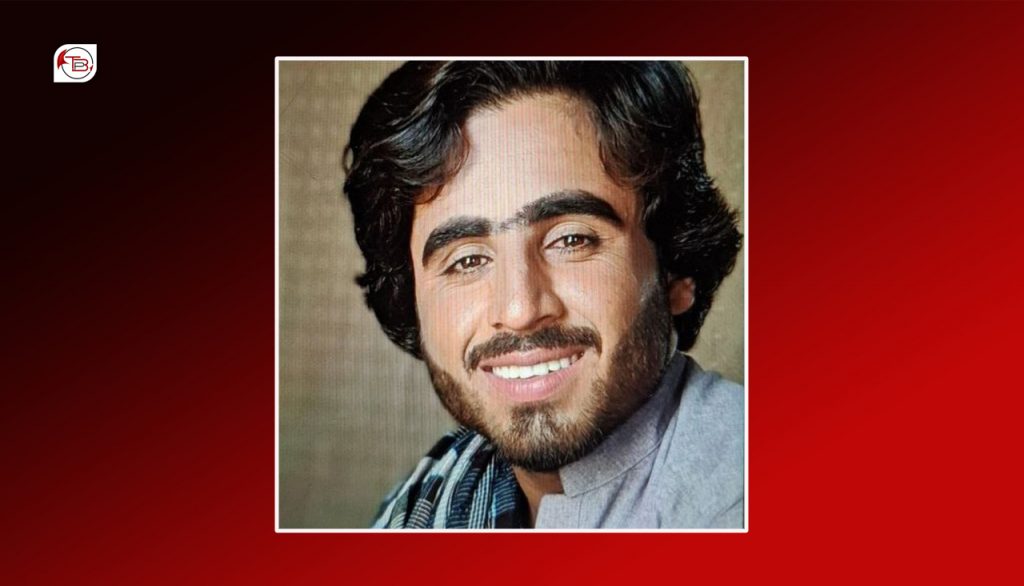
In a separate case, on 9 August in the coastal city of Gwadar, security forces allegedly detained Pazeer, son of Haji Nasir, also a resident of Buleda, and transferred him to an unknown location. Local sources say Pazeer was employed as a driver in the oil transportation business in Jiwani. His whereabouts remain unknown.
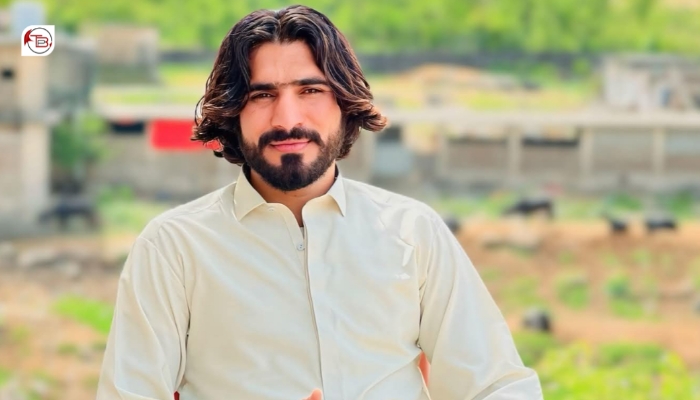
Meanwhile, three bodies were recovered in separate incidents. In Guandan, the body of tribal leader Mir Khizar Hayat, son of Muhammad Hayat Shahwani from Eskalku, was found after he had reportedly been abducted from his home by armed men several days earlier. Police handed over the body to relatives after the necessary formalities. In Usta Muhammad, the bullet-riddled body of 25-year-old Danial Khosa from Goth Adam Khosa, Jacobabad, was retrieved from the Kirthar Canal. Additionally, on Thursday, police in Quetta recovered the body of an unidentified man from the Chashma Achozai area, which has been placed in a mortuary pending identification.
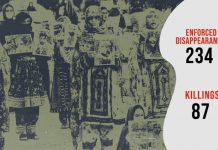
Balochistan has for years witnessed allegations of enforced disappearances, extrajudicial killings, and the presence of unofficial armed groups. Human rights organisations, including Amnesty International and the Human Rights Commission of Pakistan, have documented numerous cases in which political activists, students, and suspected insurgent sympathisers were taken into custody without due process, with some later found dead. State officials deny systematic abuses, maintaining that any detentions are conducted lawfully and in response to security threats.
The latest incidents have added to concerns among local and international rights advocates over the persistence of such practices and the lack of accountability for those responsible.