





















Balochistan has witnessed a disturbing surge in road traffic accidents during the first half of 2025, resulting in the reported loss of hundreds of lives and leaving thousands injured. The crisis, highlighted in a six-month report by the Medical Emergency Response Center (MERC), points to worsening road conditions, poor enforcement of traffic laws, and official negligence as key contributors.
According to MERC’s data, 12,110 road accidents were reported across Balochistan between January and June 2025, leading to 239 deaths and 15,690 injuries.
The report outlines several high-risk areas:
- N-50 Trauma Center, Zhob: 4,201 accidents recorded
- N-25 Trauma Center, Khuzdar: 2,412 accidents recorded
- N-25, Windar: 724 accidents recorded with 25 deaths and 952 injuries
In June alone, 2,454 accidents were recorded, leaving 51 people dead and 3,449 injured. Most incidents occurred in Khuzdar, Zhob, Sibi, and Pishin districts.
On 4 July 2025, a single-day spike saw 69 road accidents, injuring 97 people, though no fatalities were reported that day.
Experts and local observers attribute the rising toll to speeding, deteriorating road infrastructure, lack of enforcement, and administrative apathy. Despite repeated public complaints and government assurances, no meaningful improvements in road repair, traffic control, or rescue services have been observed.
MERC’s data from 2024 presents an equally grim picture: 20,300 accidents, 471 deaths, and over 17,500 people either injured or permanently disabled.
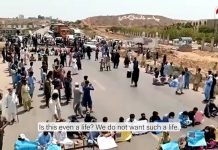
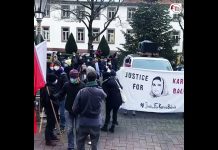
Citizens, civil society groups, and human rights activists have expressed serious concern over the worsening trend. They have staged protests, long marches, and campaigns demanding urgent and effective measures to make roads safer. Yet, authorities have so far failed to respond with any substantial policy changes or infrastructure reforms, fueling growing public frustration and anger.