





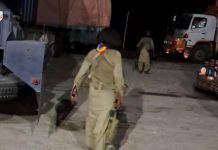
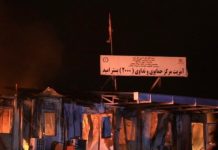

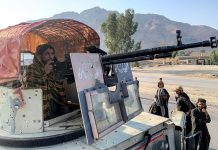

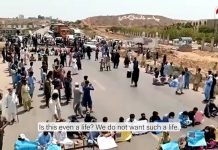


Armed individuals launched a surprise assault Saturday evening in Mastung district, blocking the Quetta-Karachi highway and seizing control of key checkpoints along the route. According to Levies sources, the attackers stormed the Wali Khan Levies Station and took control of the building.
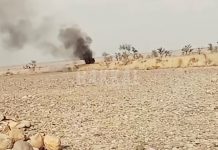
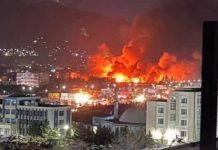
The militants reportedly took Levies personnel hostage, set fire to government records and property, and burned a Levies vehicle. They also looted weapons and other equipment before withdrawing.
This attack follows a major armed operation carried out by the Baloch Liberation Army (BLA) on Friday, when BLA fighters took full control of Surab city for over three hours. In an official statement, BLA spokesperson Jeeyand Baloch said that the group’s fighters paralyzed the state’s military, administrative, and financial infrastructure in the city during the raid.
The BLA claimed to have seized the Levies and police stations, the Deputy Commissioner’s office, guest houses, and local bank branches, establishing full tactical control over key sites.
While no group has yet claimed responsibility for the Mastung attack, analysts believe it is likely linked to the ongoing surge in Baloch insurgent activity. The growing frequency and coordination of these attacks point to a strengthening of Baloch armed groups and a weakening grip by state forces in the region.
Experts warn that the deteriorating security situation in Balochistan could undermine not only Pakistan’s internal stability but also regional economic projects such as the China-Pakistan Economic Corridor (CPEC), which runs through many “conflict-affected” districts.