




















A retired Pakistani general and former governor of Balochistan has warned that the security situation in the region is rapidly deteriorating, with Baloch armed groups now launching daily, coordinated attacks on state forces, seizing territory, and carrying out suicide bombings.
Speaking at a recent ceremony, General Abdul Qadir Baloch said: “Young, educated women are now carrying out suicide attacks—so far, four women have done so. Men, in even greater numbers, detonate themselves, showing no regard for any conception of paradise or hell.”
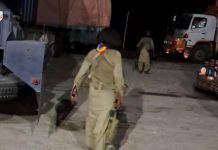
He said Baloch fighters have become increasingly sophisticated, ambushing convoys, targeting government vehicles, abducting personnel, and seizing weapons. These operations, he added, have escalated significantly since 2024, with major highways across Balochistan becoming unsafe for travel.
“These assaults are often carried out by large, coordinated groups who are highly skilled in such operations,” he said. “Their activities have intensified since 2024 and continue to escalate this year, making travel on Balochistan’s highways increasingly perilous.”
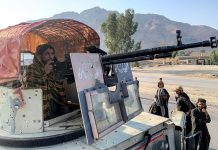
“In three to four districts, they have even seized territory and stockpiled arms,” he said, adding that Baloch fighters now attack law enforcement agencies with a level of training that has forced security forces into a defensive posture.
“Even our intelligence agencies, who once intervened swiftly, are now being targeted directly, and personnel are reluctant to volunteer for operations out of fear.”
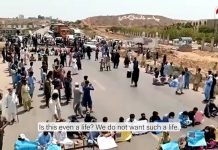
General Qadir also highlighted a rising pattern of Baloch women participating in protests and road blockades. “Large numbers of women and children now stage sit-ins on highways, shutting down roads for days at a time whenever an operation is launched,” he said.
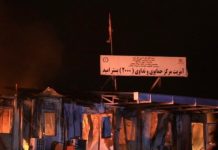
Referring to recent high-profile attacks, he said that Baloch fighters have burned Levies posts, seized weapons, and left police and Levies forces unable to operate effectively in interior regions of Balochistan.
“Nearly 70,000 Frontier Corps personnel are deployed in Balochistan at a cost of hundreds of millions of rupees,” he said. “But even they have been pushed into a defensive posture.”
His remarks come amid a series of major operations claimed by Baloch armed groups in recent months.
On Friday, BLA fighters seized control of Surab city, taking over police stations, banks, and government offices, while establishing checkpoints on major highways.
In January, BLA fighters captured Zehri in Khuzdar district, seizing weapons and documents and ambushing a military convoy with a remote-controlled explosive device.
In March, the group claimed responsibility for hijacking the Jaffar Express train, stating it had captured 214 security personnel who were later executed after the government allegedly refused a prisoner exchange.
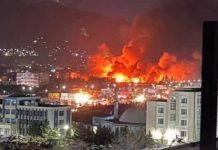
In May, the BLA claimed to have seized Manguchar in Kalat district, torching government buildings and blocking the Karachi–Quetta highway. The group also claimed over 71 attacks across 51 locations in May, targeting military convoys, checkpoints, intelligence agency offices, mineral transport vehicles, and state-backed militias.
Analysts say the BLA and allied groups have shifted their strategy in recent years, moving from guerrilla ambushes to temporary territorial control, coordinated multi-target attacks, and major highway blockades. Growing local support, operational sophistication, and tactical coordination have made the insurgency an increasingly serious challenge to Pakistan’s control over Balochistan.