














Curfews, road closures and repeated internet shutdowns have brought daily life in parts of Balochistan to a standstill, with residents across multiple districts reporting displacement, disrupted services and growing uncertainty amid a tightening security environment.
Zehri Residents Flee Homes Amid Curfew and Expanding Military Presence
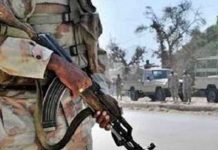
In Zehri, residents said a sweeping curfew has emptied streets and forced hundreds of families to leave their homes. People told The Balochistan Post (TBP) that no one ventures outside after 5 p.m., alleging that Pakistani armed forces fire at anyone seen on the streets after that time. TBP could not independently verify the claim.
A TBP correspondent who visited the area described abandoned homes, shuttered shops and deserted streets. Residents said at least 500 families had fled in recent days, leaving behind crops, livestock and belongings. Cotton crops remain unharvested while their owners flee “with nothing but fear,” they added.
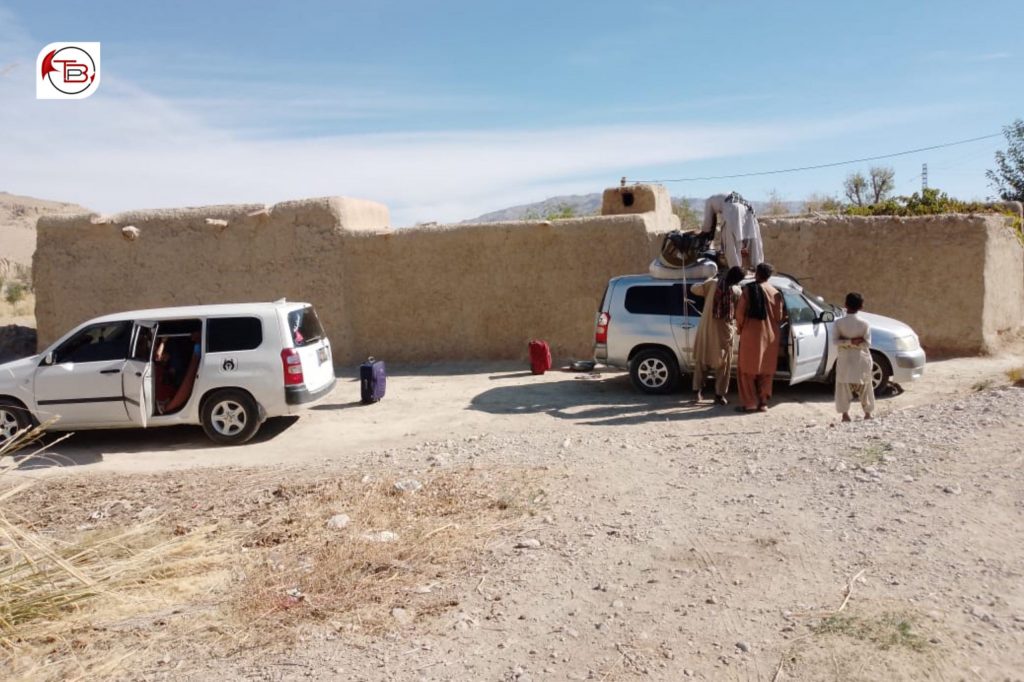
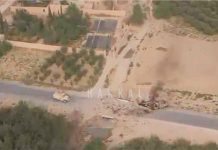
Locals alleged that Pakistani forces have established six camps in and around the town and are ordering families to vacate their homes. They said a hotel in Noorgama Bazaar was destroyed by a mortar shell, several shops were burned and some shopkeepers were forcibly disappeared.
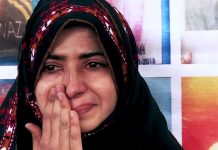
“Everything in our home has been taken. Utensils, blankets, even livestock are being slaughtered,” one resident said. Others said attempts to announce a protest over the curfew and the closure of schools and hospitals were met with warnings that demonstrators would be “silenced with a single bullet”.
Residents said daily life has collapsed as employment, healthcare and education remain inaccessible. “People have not only been deprived of their homes and livestock,” one said, “but also of their normal lives.”
Quetta Transformed Into a ‘Security Zone’ as Restrictions Deepen
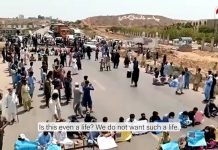
In Quetta, residents reported that security measures had intensified in recent weeks, with major routes blocked or heavily regulated without prior notice. Many described the city as resembling a controlled zone as authorities responded to security threats.
Public circles criticized the administration of Chief Minister Sarfraz Bugti, accusing it of shifting the burden of governance failures onto the public.Movement across the city has been heavily restricted, while mobile internet services continue to experience repeated shutdowns.
Residents said the conversion of Anscomb Road into a one-way route has made emergency access to Civil Hospital extremely difficult. Lawyers, government employees and citizens travelling to the District Court, Sessions Court and Commissioner’s Office also reported major delays.
Restrictions on Hali Road and Model Town, located behind the Chief Minister’s House, have further paralysed traffic. Citizens appealed to the judiciary to take notice of what they call violations of fundamental rights and to order the reopening of key routes.
Train connections between Balochistan and Karachi, Lahore and Peshawar have remained suspended for months. The Jaffar Express, repeatedly targeted in past attacks, has not operated for weeks, while the Bolan Mail has been unable to reach Quetta.
Last week, authorities imposed a complete ban on passenger buses leaving Quetta for Karachi and other destinations ahead of Baloch Martyrs’ Day on 13 November. The order was reversed following public criticism, but departures are now restricted to limited time windows.
Internet Shutdown Extended Across Multiple Districts
Mobile internet services, including 3G and 4G, have remained suspended for the seventh consecutive day across most districts of Balochistan. Additional Chief Secretary Home Hamza Shafqaat said on 16 November that the shutdown had been extended for another two days, until 18 November, with a further extension under consideration.
Authorities cited “continuously increasing security concerns,” while residents, students and business owners say the prolonged blackout has severely affected work, education and online services. Journalists and delivery workers also reported major disruptions.
Gwadar Bans Oil-Carrying Vehicles, Drivers Say Livelihoods Crumbling
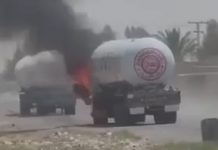
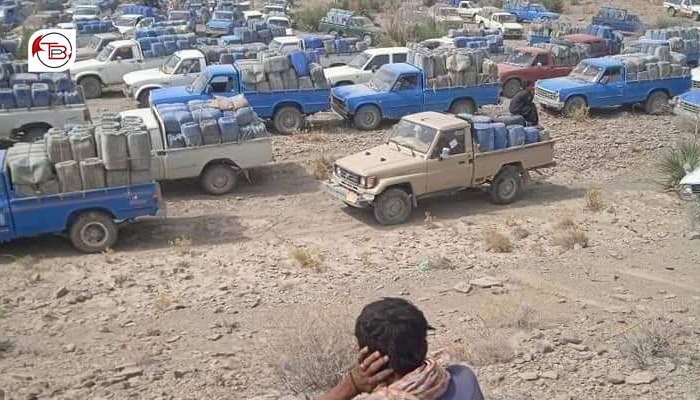
In Gwadar, the district administration imposed an immediate ban on the entry of oil-carrying vehicles, including Zamyad trucks and other transporters operating between Jiwani, Panwaan and Gwadar city.
According to the notification, law-enforcement agencies have been instructed to enforce the ban strictly and seize any vehicles found violating the order.
Drivers say the decision has pushed them “deeper into unemployment.” They noted that border trade routes have already been closed, and now the ban on oil transport has “cut off one of the last remaining sources of livelihood.”
Government Defends Measures as Opposition Blames Crisis on Failed Policies
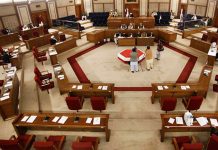
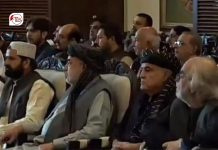
Chief Minister Sarfraz Bugti defended the sweeping restrictions in a recent television interview, saying the internet was being used for “anti-state activities” and to facilitate attacks. He argued that temporary shutdowns and movement limits had helped reduce incidents.
Opposition lawmakers rejected the justification, saying the sweeping controls reflect failed governance and a worsening security climate.
BNP-A lawmaker Asadullah Baloch said this week that government assertions about peace in Balochistan were “baseless,” adding that daily recoveries of bodies and recurring attacks showed that the authorities had lost control. He said the region had “no security, no order and no government writ.”
Senator Maulana Abdul Wasay said the government had “paralysed” Balochistan through border closures and communication shutdowns, adding that the measures had damaged the economy, disrupted education and created “unrest and anxiety” among the public. The administration’s refusal to acknowledge realities on the ground, he warned, was “laying the foundation for a major crisis.”
Last week, Leader of the Opposition Mir Younus Aziz Zehri said highways across Balochistan remained blocked for hours as armed groups increased their presence. He criticized ministers for downplaying the situation, saying travellers were being stopped and questioned on major routes.
Opposition figures say the combination of armed group activity, persistent security threats and broad administrative controls has left civilians facing deepening uncertainty. They argue that the government’s measures have not improved security and have instead added to civilian hardship.