




























The leaders of the Baloch Yakjehti Committee remain behind bars even after five months, while state institutions are employing new tactics to keep them imprisoned further. Despite the political nature of the cases and the absence of evidence, the courts in Balochistan have approved the remand of Baloch leaders for the fourth time in two months, and a court in Karachi has also issued arrest orders for Mahrang Baloch in a bogus case so that she may be detained and transferred to Karachi jail. The same methods that state institutions used to keep Pashtun leader Ali Wazir incarcerated for two years are now being applied against the leaders of the Baloch Yakjehti Committee.
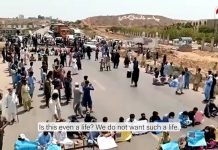
The families of the Baloch leaders and the Baloch Yakjehti Committee have been holding a protest sit-in in Pakistan’s capital, Islamabad, for forty-five days demanding their release. Yet, instead of recognising the gravity of the issue, the government is attempting to deny the reality of enforced disappearances by orchestrating press conferences with controversial figures imposed upon Balochistan’s politics. However, the recent fact-finding report of the Human Rights Commission of Pakistan refutes the government’s claims and paints a bleak picture of the actual situation in Balochistan. It clearly states:
“An extremely disturbing trend has emerged in Balochistan: enforced disappearances continue unabated, democratic freedoms are being curtailed, provincial autonomy has been further eroded, severe restrictions have been imposed on journalism, and the culture of impunity has spun out of control. All these factors are deepening public alienation and political instability in Balochistan.”
Attempts to deny the established reality of state repression and enforced disappearances in Balochistan through narratives cannot alter the objective facts. Even with political leaders imprisoned, voices of resistance against the policies of state oppression will continue to rise.