







Author: Yaran Diyar
For the people of Balochistan, 11 August is more than a date on the calendar; it is a deeply storied and increasingly potent symbol of autonomy, sacrifice, and resistance. Once observed with quiet remembrance, it has grown into a pivotal moment in the Baloch collective memory, fused with the fidayee legacy of Rehan Aslam and a broader surge in political and security turbulence every August.
On 11 August 1947, just days before the birth of Pakistan, British colonial authorities formally recognised the autonomous status of Baloch territories, an event many Baloch remember as a fleeting moment of acknowledged sovereignty. Four days later, on 15 August, the bifurcation of British India created Pakistan, reshaping the political map the very next moment. The resulting narrative: Britain left, but autonomy did not survive in the way many Baloch had hoped or negotiated.
The Fidayee Legacy and Rehan Baloch
In the past decade, 11 August has been revitalised as a day of action as much as memory. The catalyst: the young Baloch guerrilla Rehan Aslam, known as Rehan Baloch. His “fidayee” attack in Dalbandin, Balochistan, targeting a Chinese engineers’ convoy marked a dramatic point in the struggle, and his life. Since his death, his name has become a rallying cry.
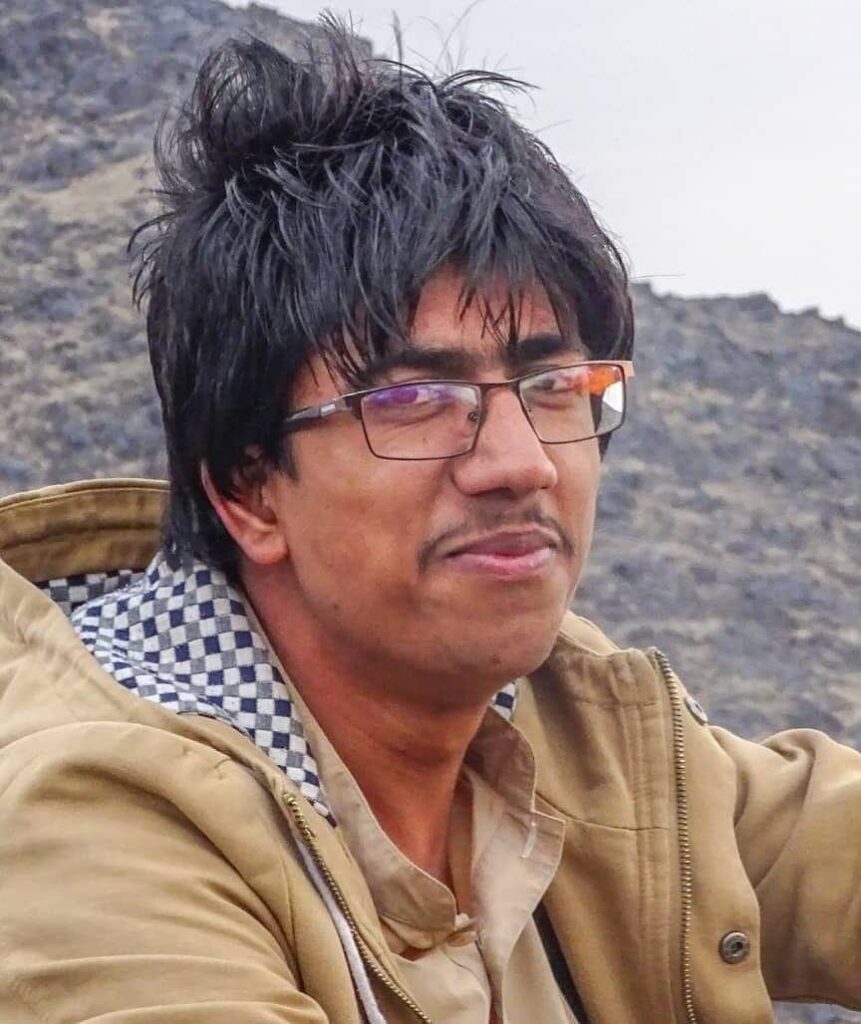
Baloch activists argue that Rehan’s actions re-energised a younger generation and helped transform protest and clandestine tactics into a new phase of direct action. Whether one accepts the tactic or not, its political impact on mobilisation and narrative is significant and widely acknowledged in Baloch political discourse. At this year’s seventh remembrance, activists and family said:
“Rehan Aslam’s decision took the Baloch national movement into a decisive mode of warfare.”
“Baloch sacrifices today stand for a free Balochistan.”
“Despite pouring billions, Pakistan cannot erase the Baloch narrative.”
Such pronouncements reflect how Rehan’s act of sacrifice transformed the mood of Young Baloch consciousness and political mobilisation.
August is politically charged across the subcontinent, as India and Pakistan’s national days flank the month, while Baloch commemorations intensify. This convergence layers meaning: it is the time when Pakistani state narratives of nationalism clash with the Baloch collective memory of loss and resistance. August has become synonymous with heightened tensions, security crackdowns, and mass mobilisation in Balochistan.
Events and Attacks on 11 August 2025
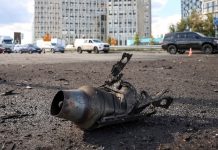
In Gwadar, Kech, and Awaran, attacks have included IEDs targeting Pakistan army convoys, assaults on camps, and the takeover of small outposts.
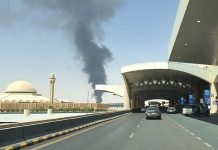
The Quetta–Rawalpindi Jaffar Express was derailed by an explosion, prompting the suspension of train services.
In Zehri (Khuzdar district), armed clashes continued, with reports of helicopter activity and operations against Baloch fighters.
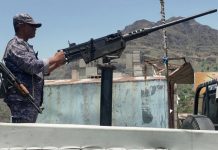
Authorities responded with internet shutdowns, road closures, and suspension of train and vehicle services across Balochistan.
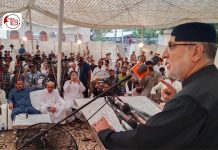
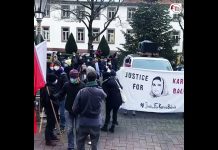
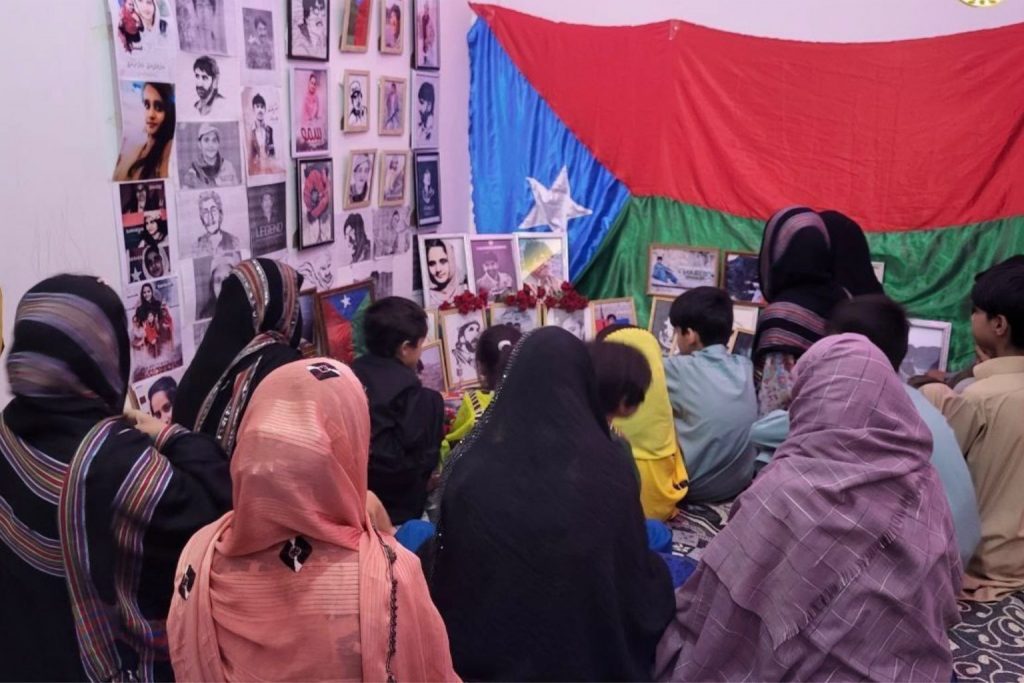
Commemorations on 11 August (2025): The Baloch Shohada Committee and Baloch Social-Media Activists organised memorial and condolence events on the 7th anniversary of Rehan’s death; speakers stressed the continuing importance of the fidayee legacy and of 11 August as a day of remembrance and mobilisation.
A nationalist Sindhi group, Sindhudesh Revolutionary Army (SRA) spokesperson Sodho Sindhi, in a statement marking Balochistan Day, said that the British withdrew but, before leaving, established what he called an “agent state” of Pakistan under Punjabi military dominance, which he claimed became oppressive to subjugated nations. The occupation, he argued, has destroyed Baloch life, identity, culture and heritage, and harmed regional stability. An independent Balochistan, he maintained, could have guaranteed maritime links, prosperity and religious tolerance, but its continued “enslavement” burdens the region. He said the Baloch struggle for independence has entered a decisive phase and will end only with the re-establishment of a free Balochistan, adding that Sindhis and Baloch share a common enemy in Punjabi imperialism and that Sindhis will stand with Baloch on every front.
State Measures and Public Impact
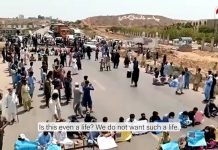
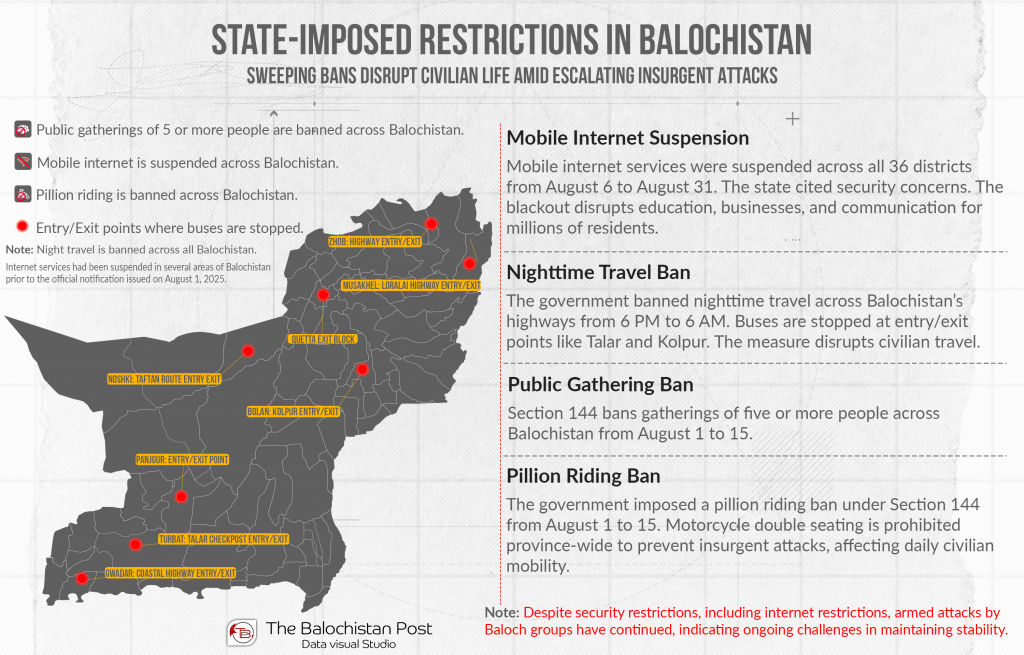
Mobile internet shutdowns across Balochistan: security reason cited; civilian services hit (education, business, communication).
Nighttime travel bans on highways from 6 PM–6 AM; buses stopped at highway entry/exit points.
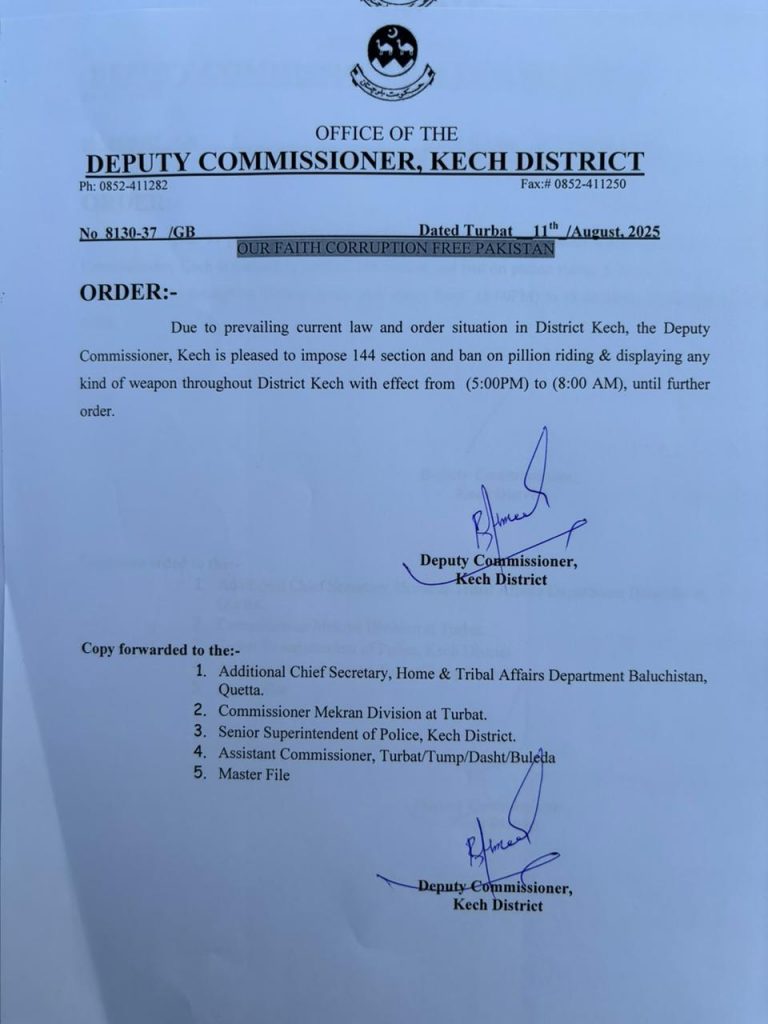
Section 144 invoked to ban gatherings of five or more (Aug 1–15), affecting public assemblies.
Pillion-riding bans applied across Balochistan, limiting motorcycle double-riding, impacting daily mobility.
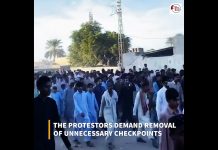
Highway checkpoints and route closures, entry/exit controls at key locations.
These restrictions mirror a larger pattern: suppression of civil life under the banner of counter-insurgency, resulting in prolonged disruption.
Official Statements and State Position
Security Strategy & Travel Restrictions: Authorities have defended mobile internet blackouts and nighttime curfews as necessary to disrupt militant communication and logistics, especially during key anniversaries. These measures are cited as precautionary, not punitive.
Train Derailment & Infrastructure Safety: Railway officials confirmed that the Jaffar Express derailment followed an explosion near Mastung. Security forces are investigating, and services remain suspended temporarily pending restoration.
Ongoing Counter-insurgency Operations: Military briefings noted that operations continue in Zehri, Awaran and Gwadar regions to target armed cells. Helicopters, ground troops and checkpoints remained deployed; residents report restrictions, but officials frame them as vital to restoring law and order.
Balochistan: Section 144 Imposed Amid Security Concerns
August in Balochistan is not merely a hot, monsoon-soaked stretch of summer. It is a month of competing memories and claims, where the anniversaries of Pakistan state formation and Baloch resistance collide. 11 August, once a quiet date on the historical ledger, has emerged as a disruptive, momentous marker of identity, pain and defiance.
Whether in the echo of martyrdom, the shifting tactics of fidayee symbolism, or the harsh syllables of checkpoint and blackout, this day and the wider season now serve as both mirror and battleground: a reflection of unresolved histories and a stage for futures yet unwritten.