










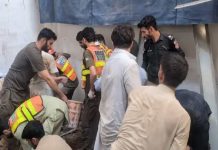









The past two weeks have proven to be extremely deadly for the Pakistani military in Balochistan. In the Jhao area of Awaran district, Major Syed Rabnawaz Tariq was killed in an ambush carried out by the Balochistan Liberation Front (BLF). Meanwhile, in Balochistan’s capital Quetta, Major Anwar Kakar was killed in a magnetic bomb attack by the BLA’s STOS squad near Jabal-e-Noor. Similarly, in the mountainous region of Mastung district, prolonged clashes between Baloch Liberation Army (BLA) fighters and Pakistani forces led to the death of Major Zaid Saleem along with several other personnel.
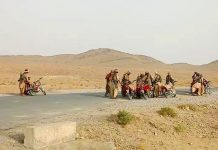
With a rise in coordinated attacks by armed groups fighting for Balochistan’s independence, the Pakistani military has been suffering increasing casualties, and key highways in Balochistan have become unsafe. The most recent example is a decision by Pakistan’s Ministry of Interior, which has declared the land route through Balochistan unsafe for Shia pilgrims travelling to Iran and Iraq for the Arbaeen pilgrimage, effectively placing a ban on its use.
This joint decision by Pakistan’s Ministry of Foreign Affairs, Ministry of Interior, the Balochistan government, and security agencies makes it clear that the military establishment is struggling to maintain control over key roads in the region amid growing casualties and deadly, well-planned insurgent attacks.
The killing of officers of Major rank is clear evidence of the organisational strength and intelligence capabilities of the armed groups operating in Balochistan. These deaths demonstrate that the Baloch fighters are now capable of targeting mid-level military officers, and that their operations are not spontaneous but the result of extensive planning and accurate intelligence. In such circumstances, the state’s claim that insurgent influence in Balochistan is limited appears increasingly disconnected from reality.
The deaths of three Major-ranked officers send a clear message: the armed groups have not only expanded their operational reach but are now also in a position to exert psychological pressure on the military structure.