











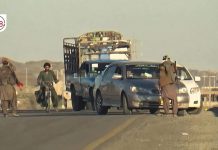













The district administration of Dera Ghazi Khan has enforced a nighttime travel ban on all traffic entering Balochistan, as part of new security protocols aimed at preventing attacks from Baloch “pro-indepencence” armed groups on passenger busses and cargo transport. According to official instructions issued on Monday, all public and private vehicles will be stopped at border checkpoints after 5 p.m. and will only be allowed to proceed the following morning.
The order, signed by Deputy Commissioner and Chairman of the Regional Transport Authority Muhammad Usman Khalid, is being implemented at key entry points including Sakhi Sarwar and Bawata. Officials said the move is part of broader efforts to enhance security following recent attacks on Pakistani security forces and intelligence personnel in Balochistan.
“Our top priority is to protect the lives and property of citizens,” Usman Khalid stated. “That is why security protocols are being made more comprehensive and effective.”
In addition to the nighttime travel ban, the district administration has issued a formal notification mandating several other security steps. These include:
- Mandatory video recording of all passengers and drivers at bus terminals before departure.
- Use of secured convoys with armed escorts from Balochistan to provinces of Pakistan.
- Installation of CCTV cameras, GPS tracking systems, and emergency panic alarms in all public transport vehicles.
Officials have also been directed to provide necessary facilities for passengers and transport operators who may have to remain at border checkpoints overnight due to the new restrictions.
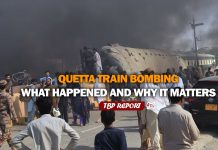
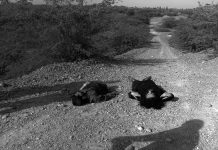
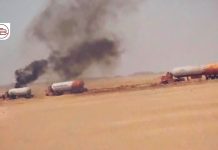
The measures are part of the government’s response to a recent escalation in targeted attacks, including incidents near Kalat and Nushki where Baloch “pro-independence” armed groups intercepted passenger buses and reportedly targeted individuals associated with security forces.
However, the new directives have sparked strong criticism from the All Balochistan Transporters Alliance. The alliance has rejected the proposed security measures, calling them unworkable and ineffective.
In a joint statement, representatives from coach, bus, truck, oil tanker, and other transport unions accused the government of trying to cover up its security failures by shifting the burden onto transporters. “Two security guards cannot stop dozens of armed attackers,” the statement said. “These cosmetic measures will only create fear and discourage people from traveling.”
The transporters argued that forcing buses to halt overnight will expose passengers to additional risks. They also criticized the requirement to install surveillance equipment in vehicles, saying the policy is disconnected from the realities on the ground.