












The Baloch National Movement (BNM) has announced the formation of a special committee focused on the European Union’s Generalised Scheme of Preferences Plus (GSP+) program. The committee has been tasked with documenting alleged human rights violations in Balochistan and regularly informing relevant EU institutions of these developments.
The Generalised Scheme of Preferences Plus (GSP+) is a trade arrangement offered by the European Union that grants developing countries, including Pakistan, preferential access to the EU market by reducing or eliminating tariffs on exports. In return, beneficiary countries must commit to implementing and complying with 27 international conventions related to human rights, labor standards, environmental protection, and good governance.
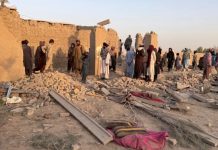
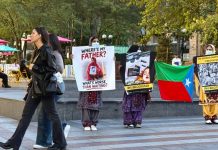
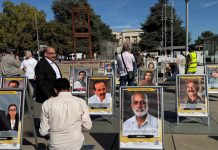
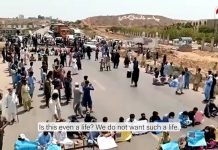
According to BNM Chairman Dr. Naseem Baloch, the committee is recording incidents on a daily basis – including alleged enforced disappearances, extrajudicial killings, torture cells, and curbs on political freedoms – to provide EU authorities with direct access to information that, he claims, is often censored or excluded by Pakistani state institutions and media.
Dr. Baloch stated that granting Pakistan economic or diplomatic support, particularly through EU’s preferential trade frameworks like GSP+, amounts to indirect support for what he described as serious human rights violations against the Baloch population.
“We believe in European democracy, human values, and international justice. On these principles, we are hopeful that the European Union – founded on human rights and justice – will not be party to any process that strengthens the machinery of oppression against a persecuted nation,” he said.
He urged the EU to reconsider what he called a policy of rewarding Pakistan with economic benefits “at the cost of Baloch blood.” Dr. Baloch alleged that Pakistan is in clear violation of the core requirements for receiving GSP+ benefits, which provides Pakistan with annual economic gains estimated between 6 to 7 billion euros. He claimed this financial support ultimately strengthens the Pakistani military, which, he said, is responsible for “state terrorism, enforced disappearances, extrajudicial killings, and mass graves in Balochistan.”
Highlighting the legal framework of the GSP+ scheme, Dr. Baloch noted that eligibility requires full compliance with 27 international core conventions, particularly those related to human rights, labor rights, environmental protection, and good governance. He accused the Pakistani state of “systematic and continuous violations” of these principles in Balochistan, adding that even parliamentary politics in Balochsitan is dominated by interference from the military and the Inter-Services Intelligence (ISI).
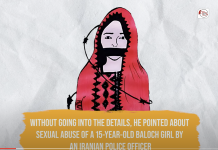
Dr. Baloch further alleged that the Pakistani army and intelligence agencies routinely abduct and torture Baloch political activists, students, journalists, and civilians, often killing them extrajudicially. These practices, he said, are in breach of the International Covenant on Civil and Political Rights (ICCPR) and the Convention Against Torture (CAT), two of the key instruments required for GSP+ eligibility.
He said that free journalism has become “virtually impossible” in Balochistan, where journalists and human rights workers face arrest, abduction, or death for reporting on abuses.
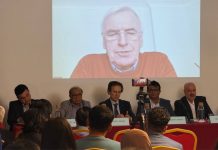
Dr. Baloch emphasized that the BNM continues to inform elected representatives and institutions in the European Union about the “grave humanitarian crisis” in Balochistan. He appealed to them to take steps to hold all civil and military officials accountable who are, according to him, complicit in what he described as the “genocide of the Baloch people.”
He concluded by demanding that the European Union review and end all forms of political, economic, and military cooperation with the Pakistani state in light of its alleged involvement in serious human rights violations.