











Pakistan has told the United Nations General Assembly that it has credible evidence of growing cooperation between several armed groups, including Tehreek-e-Taliban Pakistan (TTP), the Baloch Liberation Army (BLA), and the Majeed Brigade. According to the country’s UN delegation, these groups are allegedly coordinating attacks targeting key infrastructure and development projects within Pakistan, while operating from areas in Afghanistan where, it says, governance is lacking.
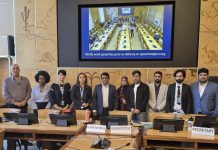
The claims were made by Pakistan’s Permanent Representative to the UN, Ambassador Asim Iftikhar Ahmed, during a General Assembly session on regional peace and security. He said that the recent surge in militant activity inside Pakistan points to what Islamabad sees as cross-border threats emerging from Afghan territory.
“These groups are working out of locations inside Afghanistan where the state’s control is absent or limited,” the ambassador told delegates. He warned that the alleged coordination among groups designated as terrorist organisations by Pakistan could destabilise not only the country but also the broader region.
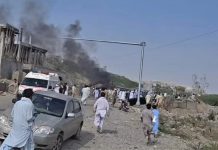
The comments follow a series of high-profile attacks in Pakistan in recent weeks. On 28 June, a suicide car bomb targeted a military convoy in North Waziristan, killing 16 soldiers and injuring several civilians. Days later, five government officials — including an assistant commissioner — were killed in Bajaur after their vehicle struck a roadside bomb during a field visit.
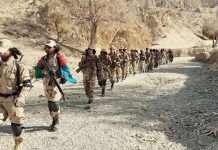
Pakistan has attributed these attacks to groups it considers terrorist organisations, including the BLA. The BLA, which seeks independence for the Balochistan region, has claimed responsibility for multiple operations this year, including the March hijacking of the Jaffar Express and suicide attacks on military convoys in Noshki and Turbat. The group has also released videos appearing to show its fighters seizing weapons and checkpoints in restive areas.
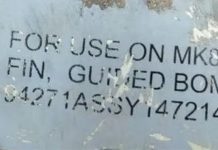
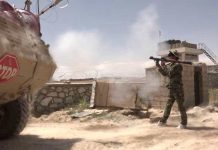
Ambassador Ahmed also raised concerns about the alleged use of advanced weaponry left behind after the withdrawal of NATO and allied forces from Afghanistan in 2021. “In the past two weeks, terrorists based in Afghanistan have used such sophisticated weapons in escalating attacks against Pakistan,” he claimed, though this assertion could not be independently verified.
He added that the TTP, which has been banned in Pakistan and is listed by the UN, remains the largest such group operating from Afghan soil, with an estimated 6,000 fighters. He argued that the group poses not only a domestic threat but also a danger to regional and international security. Other groups named by the Pakistani delegation include Islamic State Khorasan Province (ISKP), Al-Qaeda, and several Baloch armed factions.
“We must ensure that Afghanistan does not become a sanctuary for terrorist groups, threatening its neighbours and the wider international community,” Ahmed said, urging both the UN and regional powers to take coordinated action.
While the Pakistani government has repeatedly raised concerns over militant activity linked to Afghanistan, the Afghan Taliban administration has previously denied allowing any group to use its territory for cross-border violence, insisting it is committed to preventing such attacks.
Analysts note that independent verification of activity in the border regions remains difficult due to restricted access and competing narratives. Critics also argue that Pakistan’s internal security challenges are shaped by a range of factors, including domestic political instability and complex regional dynamics.
The UN has yet to respond directly to Pakistan’s latest statement.