






The humanitarian crisis in Balochistan continues to escalate as Pakistani security forces allegedly intensify a wave of enforced disappearances and extrajudicial killings across multiple districts. Over the past week, numerous cases have been reported from Quetta, Awaran, and Panjgur, highlighting what rights groups describe as a deliberate policy of repression aimed at silencing Baloch voices.
Two More Abducted in Shahrag
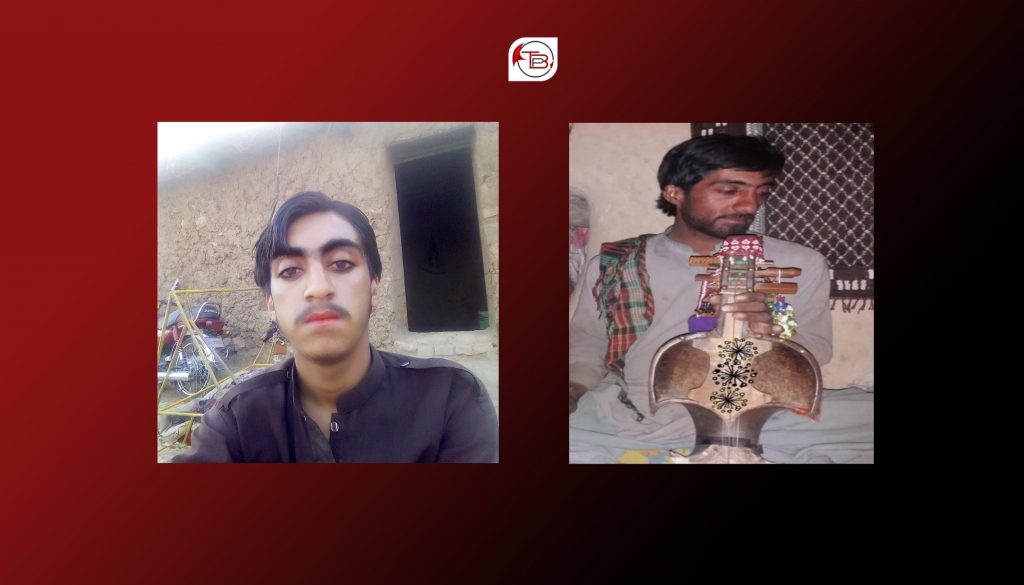
According to local sources, two residents, Gazain son of Shah Nawaz Sumalani and Rab Nawaz son of Ali Nawaz Sumalani, were detained by Pakistani forces from Shahrag and its surrounding area of Khost. Both men were reportedly taken to undisclosed locations, and their whereabouts remain unknown. Families of the victims have demanded their immediate and safe recovery.
Medical Student Disappears from Quetta
In another incident, Behram Wahid, a medical student and resident of Essa Nagri, Quetta, was reportedly forcibly disappeared after being detained allegedly by security forces and intelligence operatives. He has not been seen since. His family remains in anguish, calling for his release.
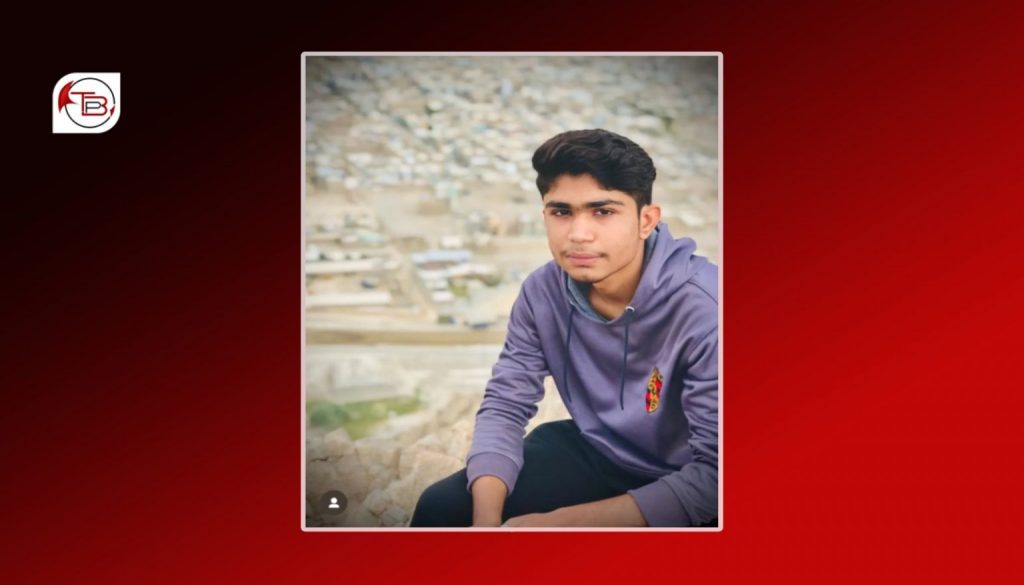
This incident adds to a surge of disappearances in Quetta, where, in just two days, at least five individuals—including a young female student—have gone missing under similar circumstances. Additionally, two more persons were abducted from Kech district, raising the total number of enforced disappearances to at least seven in the last 48 hours.
Tortured Bodies Recovered in Awaran
The situation is particularly dire in Awaran district. The body of young Darman Baloch, son of Rahim Bakhsh, was found bearing signs of torture days after he was reportedly summoned to an FC (Frontier Corps) camp in the Chabi area of Jhao tehsil. Locals say he was forcibly disappeared after his detention and later found dead, prompting accusations of extrajudicial execution.
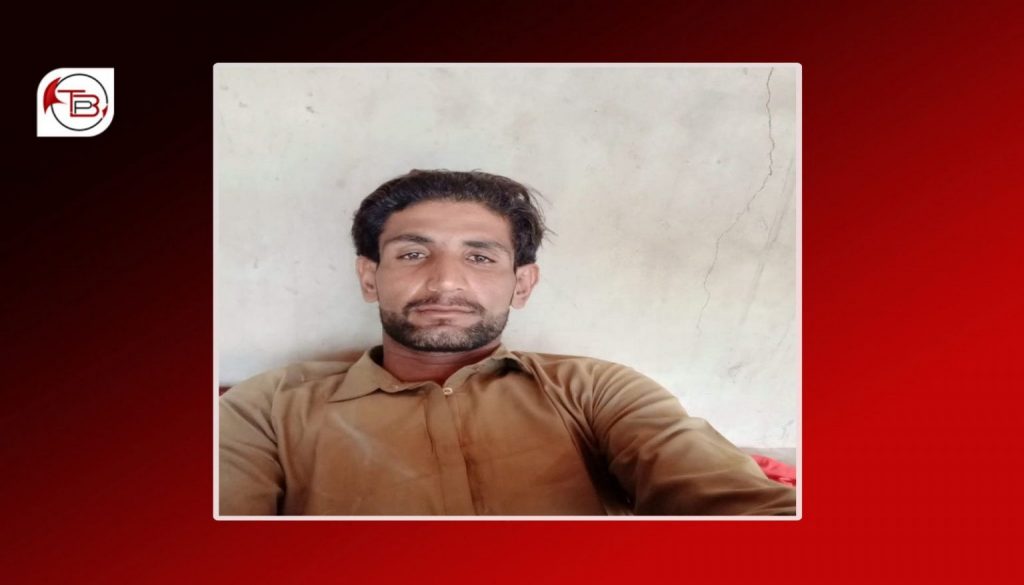
This was not an isolated case. On May 26, another youth, Ghous Bakhsh, was similarly summoned to a military camp in Kolwah, where he was allegedly tortured to death. His body was dumped a few hours later. In the last ten days alone, Jhao has witnessed two such killings. Journalists and locals claim that at least nine civilians have been killed by Pakistani forces in various areas of Awaran during this period.
Further atrocities were reported on the night of May 26–27, when Pakistani forces reportedly raided homes in Malaar Machhi, Awaran. During the raid, indiscriminate firing allegedly by the forces led to the deaths of Naeem Baloch and his aunt, Hoori, while Naeem’s mother sustained serious injuries.
These incidents triggered widespread condemnation. The Baloch Women’s Forum called for a complete shutdown in Awaran, while the Baloch Yakjehti Committee (BYC) condemned the acts as part of a “systematic policy to crush Baloch resistance and identity.”
Protests Erupt in Panjgur
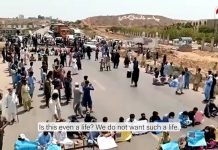
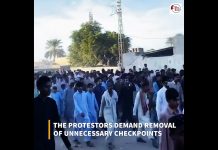
Meanwhile, in Panjgur’s Parom area, relatives of Jangiyan Baloch held a sit-in protest outside an FC camp, demanding his release. According to the family, Jangiyan was among five individuals detained during a military operation on May 26. While four were later released, he remains missing. Witnesses say he was subjected to torture during his detention.
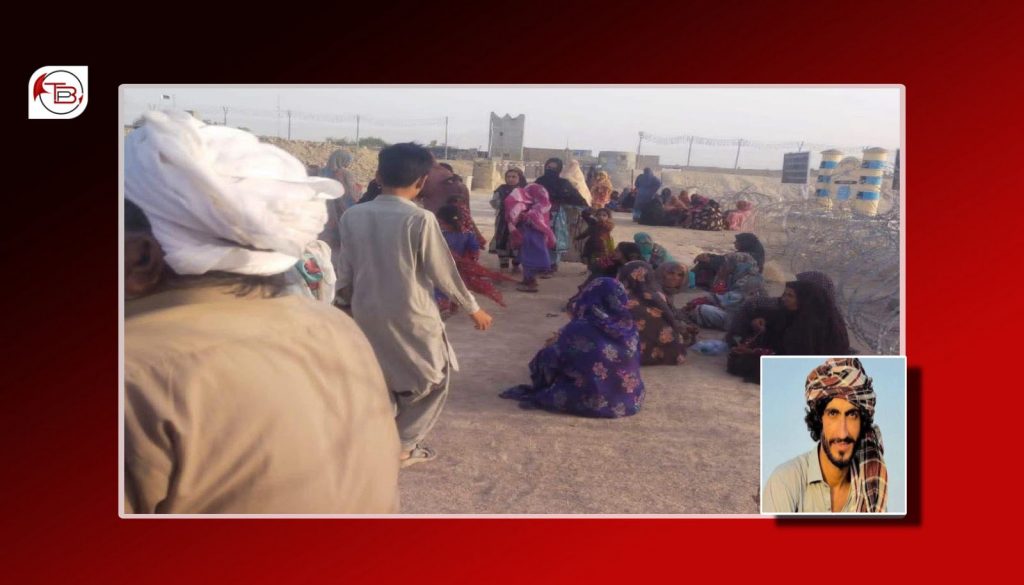
Protesters vowed to escalate their action, threatening to block the main highway if Jangiyan is not produced promptly.
Rights Groups Demand International Action
Human rights organizations and advocacy groups have raised alarms about the escalating pattern of “state-led violence.” The Baloch Yakjehti Committee, Paank and Baloch Women’s Forum have appealed to the United Nations, international human rights organizations, and global civil society to launch transparent investigations into the incidents.
“These are not isolated abuses,” a spokesperson for BYC said. “They are part of a deliberate state strategy to erase the Baloch people’s identity, resistance, and existence.”
So far, Pakistan’s mainstream media has remained largely silent on the issue, and international institutions have yet to respond. Activists argue that without international pressure, the crisis in Balochistan will continue to deepen, further endangering civilians caught in the crossfire of an undeclared war.